 Official government website of the Government of the Kingdom of Saudi Arabia




12
Getting rid of hazardous waste

- About SDG 12
- Ethical sourcing policy
- Getting rid of hazardous waste
- Policy waste disposal - landfill policy
- Reducing the use of plastic
- Reducing the use of single-use materials
- The extension of single-use material policies to outsourced services
- The policy of reducing costs extends to suppliers
- Waste tracking
- Publication of a sustainability report
Related Content
Waste Disposal - Landfill
Qassim University has a Hazardous Waste Disposal Policy, reviewed in October 2025, that covers chemical, infectious, radioactive and electronic waste in all colleges, research centres and units. It requires segregation by hazard class at the point of generation, sealed and labelled containers, secured storage, and disposal only through facilities licensed by the National Center for Waste Management (MWAN), with mandatory training and performance monitoring. Specialised contracted companies collect, transport and treat the medical waste of the Medical City and hazardous laboratory waste.
Safe disposal mechanisms for hazardous waste in laboratories and health units
The Projects and Maintenance Department contracts specialised companies for the different types of hazardous waste, medical and non-medical, and the contracts set the handling and disposal mechanisms, including incinerators, ovens and sterilisation. Within the University, a classification system separates medical and non-medical waste; separate bags are used for each type; bags are moved on dedicated trolleys to the temporary collection point instead of being carried through corridors; needles and syringes are collected immediately in containers marked “biohazardous waste” and never placed directly in bags; and containers are not filled beyond three quarters of their capacity.
Contract for the transport and treatment of hazardous medical waste (Medical City)
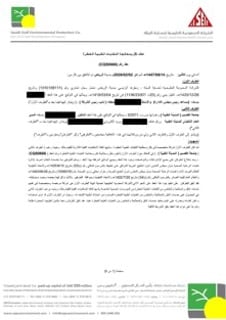
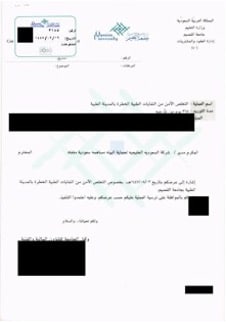
The University’s Medical City holds a contract with a licensed environmental company (Saudi Gulf Environmental Protection Co. – SEPCO) for the collection, transport, treatment and final disposal of hazardous medical waste, and of pharmaceutical, chemical and toxic waste, from the University Hospital, the University medical clinics and the dental clinics in Ar Rass. The contract applies the GCC Unified Healthcare Waste Management System and its implementing regulations and the Saudi General Environment Law. The contract was awarded by the University’s Contracts and Procurement Department.
Goal-related news
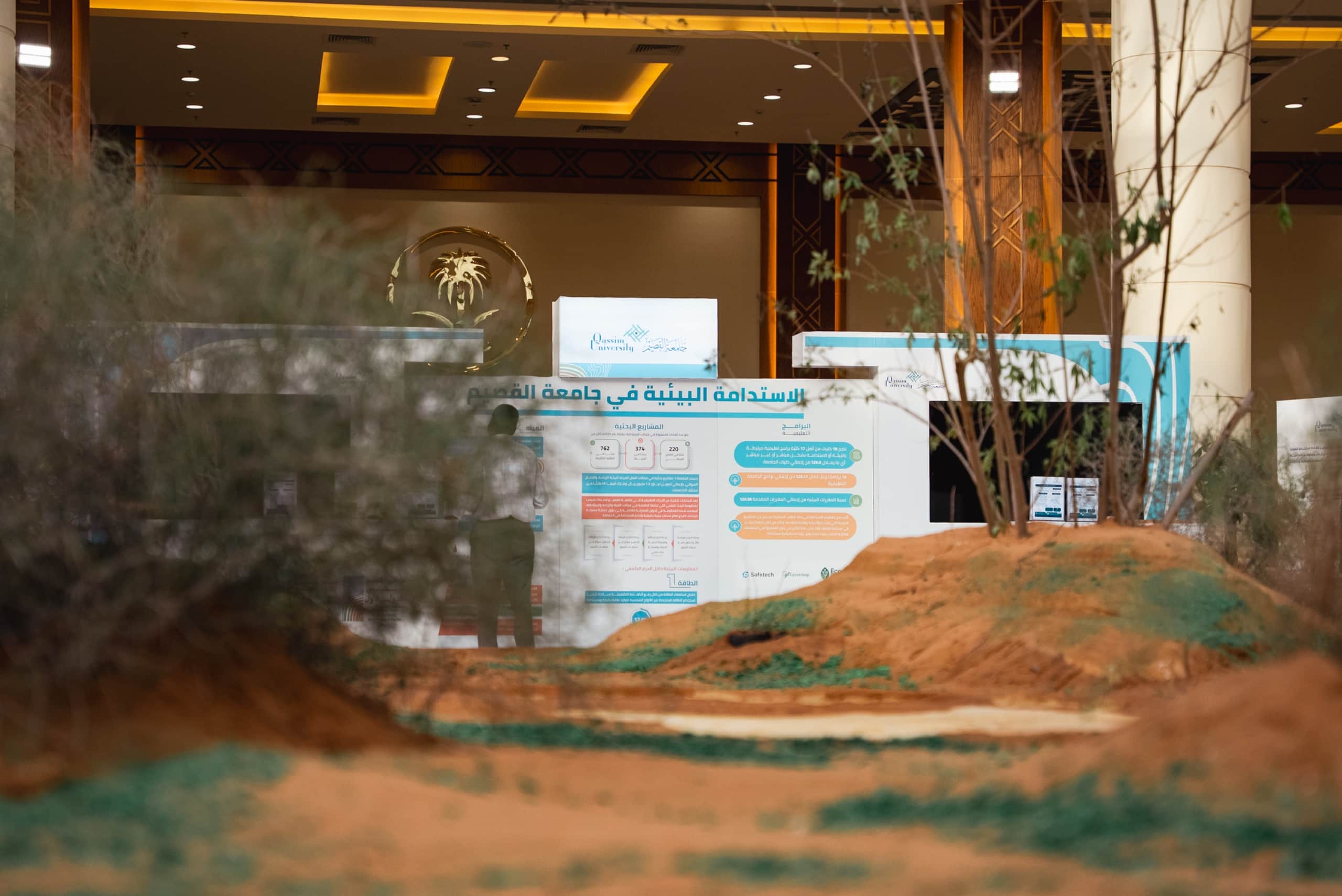
The university participated, represented by the Center for Sustainable Development, in the «First Al-Qassim International Environmental Forum», which is being held over two days at the King Khalid Cultural Center in the city of Buraydah. The participation highlighted the university's experience in building an integrated sustainability system. The participation also discussed the university's efforts to integrate green transformation concepts into its academic programs, as well as activating community partnerships and environmental volunteering initiatives that included […]
2026-05-06
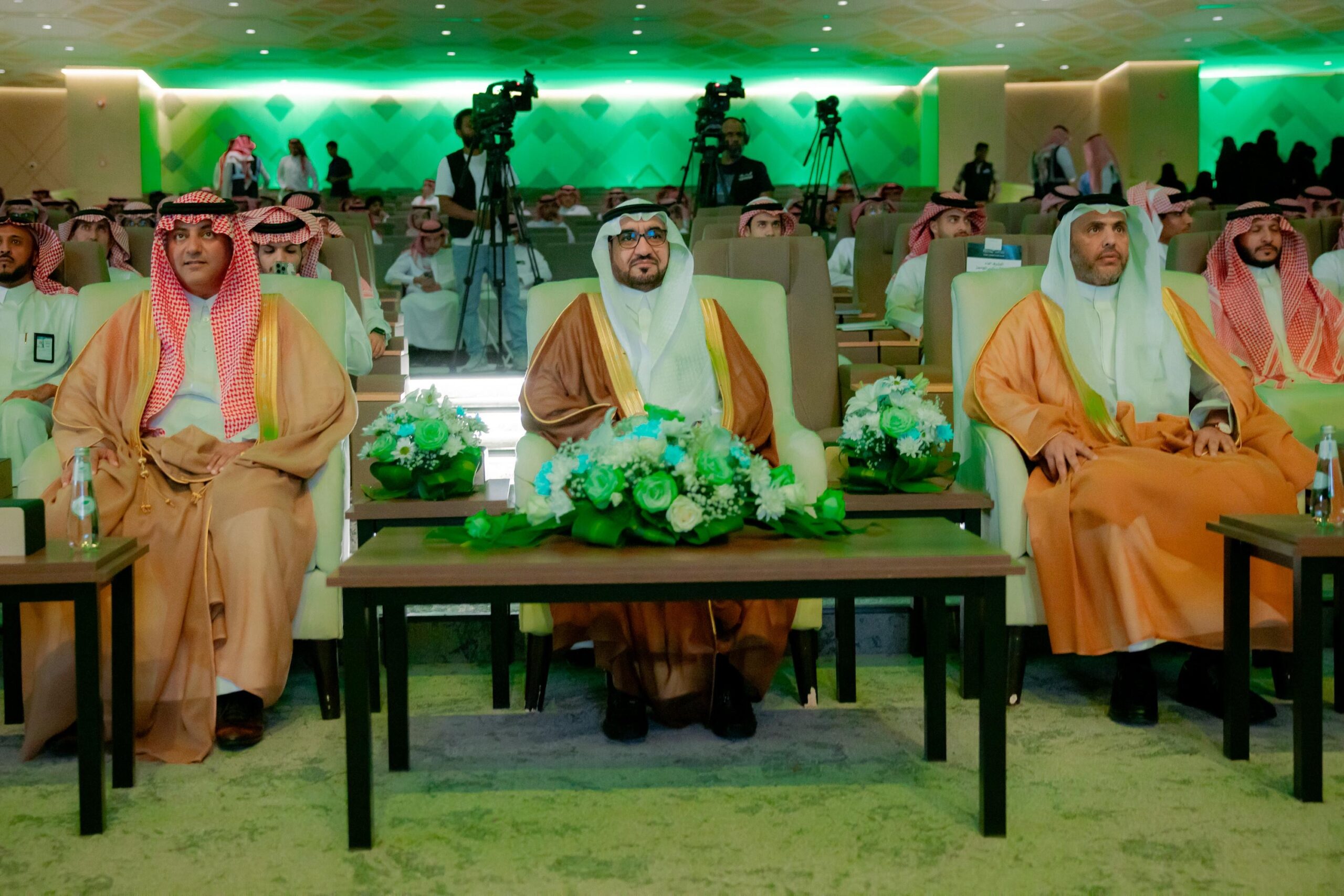
His Excellency the President of the University, Professor Dr. Muhammad bin Fahd Al-Sharikh, sponsored today, Wednesday, October 1, 2025, the «Geographical Conference on Saudi Environment and Protected Areas: Towards Sustainable Development,» organized by the University, represented by the College of Languages and Humanities, in partnership with the Royal Commission for the Development of Imam Turki bin Abdullah Reserve and with the participation of several entities, in the presence of His Excellency the CEO of the Commission, Eng. Muhammad bin Abdulrahman Al-Shalan, and His Excellency [...]
2025-10-01
Goal-related files
2026-10-27
2026-10-27
- About SDG 7
- Energy-efficient renovation and building
- Upgrade buildings to higher energy efficiency
- Carbon reduction and emission reduction process
- Plan to reduce energy consumption
- Energy wastage identification
- Divestment policy
- Local community outreach for energy efficiency
- 100% renewable energy pledge
- Energy efficiency services for industry
- Policy development for clean energy technology
- Assistance to low-carbon innovation