 Official government website of the Government of the Kingdom of Saudi Arabia




12
12- Responsible Consumption and Production

Related Content
Goal 12: Responsible Consumption and Production
Shaping Sustainable Consumption and Production Patterns: Qassim University's Contribution to Goal 12 in Saudi Arabia
The twelfth Sustainable Development Goal (SDG 12) emphasizes responsible consumption and production patterns to ensure sustainable resource use and reduce environmental impacts. This article discusses Saudi Arabia's efforts to achieve Goal 12, focusing on the role of Qassim University in promoting responsible consumption and production practices.
Goal 12 in Saudi Arabia:
The Kingdom of Saudi Arabia recognizes the importance of sustainable consumption and production in reducing waste, conserving resources, and mitigating environmental degradation. Several initiatives have been adopted in line with Goal 12, including:
Waste Management
The Kingdom has implemented waste management strategies aimed at reducing waste generation, promoting recycling, and ensuring proper disposal practices.Circular economy
The Kingdom is exploring the concept of a circular economy, where resources are reused, recycled, or repurposed to minimize waste and resource depletion.Sustainable agriculture:
The Kingdom invests in sustainable agricultural practices that improve resource utilization, reduce chemical inputs, and promote eco-friendly farming methods.Energy efficiency
The Kingdom aims to improve energy efficiency across sectors, reducing consumption and its environmental impact.
Qassim University Initiatives:
Qassim University actively contributes to achieving Goal 12 by promoting responsible consumption and production practices through:
Running a campus sustainably:
The university applies energy-saving technologies, reduces water consumption, and practices waste sorting and recycling on campus, serving as a model for responsible resource management.Integrating Concepts in Curricula:
Qassim University integrates sustainable consumption and production topics across various disciplines, teaching students about the environmental, social, and economic impacts of their consumption choices.Research for sustainability:
Faculty and students are involved in research related to sustainable consumption and production, including studies on waste reduction, renewable energy, and sustainable agricultural practices.Awareness campaigns:
The university organizes campaigns and workshops to raise awareness about responsible consumption habits, waste reduction, and sustainable lifestyles.Community Outreach:
Qassim University collaborates with local communities to raise awareness about responsible consumption and production, partnering with NGOs, schools, and local entities to promote sustainable practices.Innovation and entrepreneurship:
The university promotes innovation and entrepreneurship by supporting student initiatives that contribute to responsible consumption and sustainable production.
Challenges and Future Prospects:
Achieving Goal 12 requires a shift in mindsets, consumer behavior, and industrial practices. Challenges in Saudi Arabia may include addressing cultural norms, ensuring policy implementation, and dealing with consumerism. However, these challenges can be overcome through sustained efforts. Promoting responsible consumption and production is essential for the Kingdom's sustainable future. By committing to Goal 12, the Kingdom aims to reduce its environmental footprint and foster a greener economy. Qassim University, through its comprehensive approach involving education, research, and community engagement, plays a pivotal role in shaping responsible individuals who contribute to sustainable consumption and production patterns. Through these collaborative endeavors, Saudi Arabia and Qassim University contribute to a more sustainable and balanced world for current and future generations.
Integrated Waste Management and Recycling Solutions
Click this link [1]
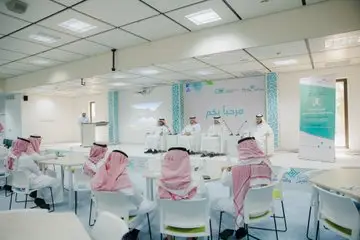
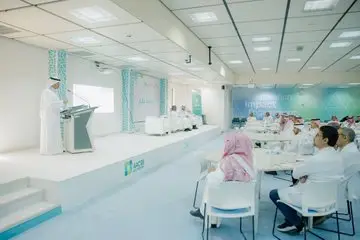
Within the framework of the university's sustainable development programs and in pursuit of its strategic goals... the Sustainable Development Center organized #جامعة_القصيم Workshop titled “Integrated Solutions in Waste Management and Recycling,” in cooperation with the Saudi Investment Recycling Company #Your secretThe workshop, held in the Grand Hall of the College of Economics and Management at the university city, was presented by the company's Executive Vice President of Marketing and Strategic Partnerships. The event was attended by His Excellency the Vice President of the University for Planning, Development, and Quality, a number of deans, university staff, and representatives from governmental and private entities in the Qassim region. The workshop concluded by emphasizing the importance of establishing future frameworks and programs to combat pollution, maximize waste utilization and recycling in the region, activate the circular economy system, and enhance cooperation between the center and SARCK to support the implementation of these programs in line with the objectives of Vision 2030.
Sustainable Development Center Workshop
Click this link [2]
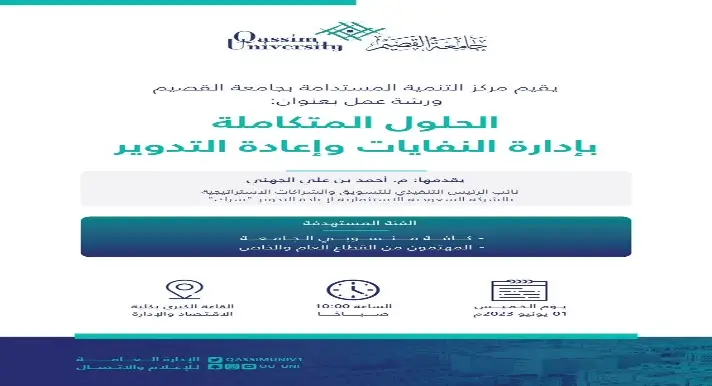
The Center for Sustainable Development is located in #جامعة_القصيم Workshop titled “Integrated Solutions for Waste Management and Recycling”, tomorrow Thursday in the Great Hall of the College of Economics and Management, at the University City.
Earth Hour 2023
Click this link [3]
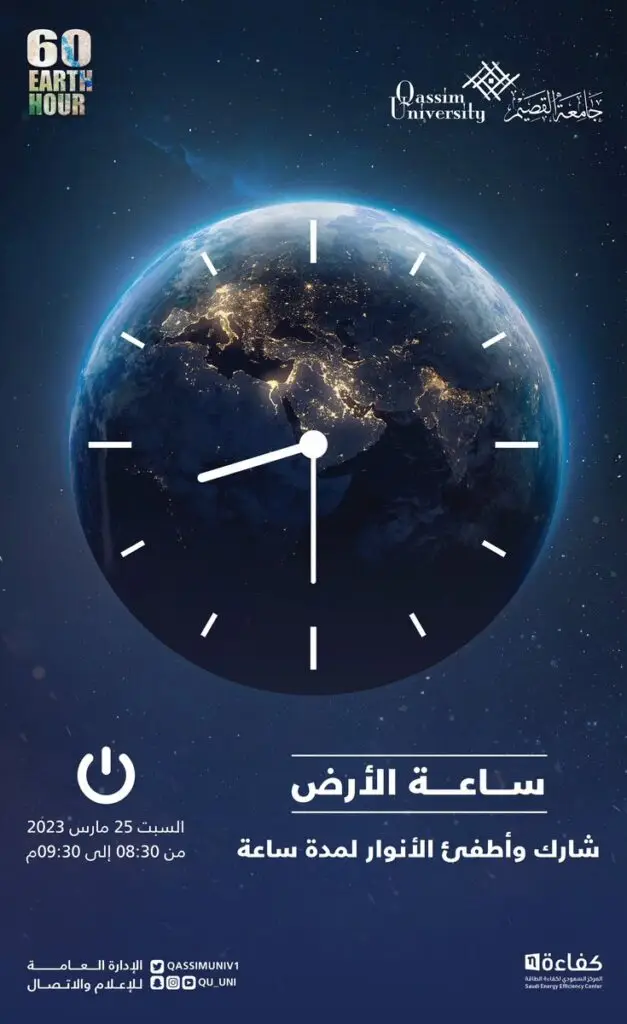
participates #جامعة_القصيم At the Global Environmental Event #Earth Hour This Saturday, March 25, 2023, from 8:30 PM to 9:30 PM.
6 entities participate in the «First International Conference on Natural Resource Sustainability» at the university.
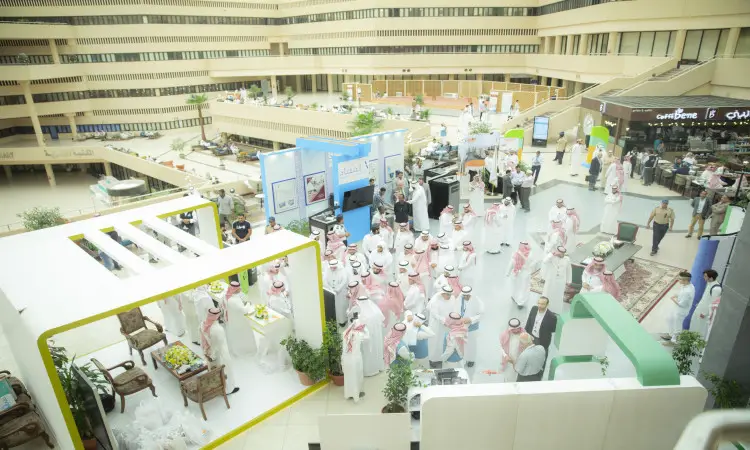
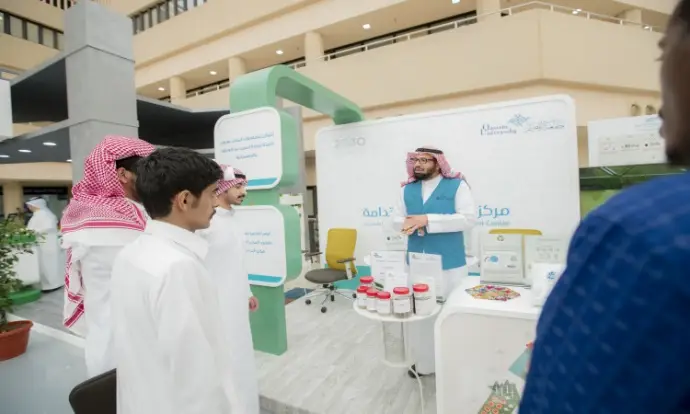
Click this link [4]
The exhibition accompanying the first International Conference on Natural Resources Sustainability, which launched on Tuesday morning, March 8, 1441 AH, at the university, attracted the attention of conference visitors, participants, university students, and staff. On its first day, it hosted more than 750 visitors who toured all the exhibition booths. Six different entities participated in the exhibition, represented by the College of Engineering at the university, the Secretariat of the Qassim Region, the University's Sustainable Development Center, the cement company (the strategic sponsor of the conference), Al-Fahad Company, and the Cleaning Equipment Company.
For his part, the exhibition supervisor, the Dean of the College of Engineering at the university, Dr. Fawaz Al-Harbi, explained that the exhibition, which lasts for two days during the conference, attracted visitors from university students and specialists in the field of sustainability and environmental engineering. The exhibition focused on the experiences of government agencies and private companies in the field of recycling and the sustainability of natural resources.
Al-Harbi added: “The accompanying exhibition included six exhibits, which include: a pavilion for the College of Engineering, which includes a display of student projects and scientific research, and an exhibition by the cement company, the strategic sponsor of the conference, which showcases the company's experience in environmental preservation using alternative energy, and a pavilion for the University's Sustainability Center, which highlights the university's initiatives in the field of sustainability and the preservation of natural resources.”.
The exhibition also included a pavilion for the Qassim Region Municipality, the supporting partner, which showcases the municipality's modern waste disposal experience. Also featured was a pavilion by Al-Fahd Company, the silver sponsor of the conference, displaying modern containers that compress and convert waste into usable fertilizer. Additionally, the exhibition featured a pavilion by Al-Alyaat Al-Nadhafah Company, where they presented their experience in using modern equipment for sorting waste by material type.
The conference, hosted by the university, aims to demonstrate the extent of wasted natural and economic resources and to estimate the environmental cost of waste. It also seeks to discuss the necessary measures to transition to sustainable food systems with less loss and reduced food waste, in addition to stimulating integration among partners from different disciplines for sustainable waste management, and studying opportunities to encourage investment in waste recycling technologies in the Kingdom.
Service Management
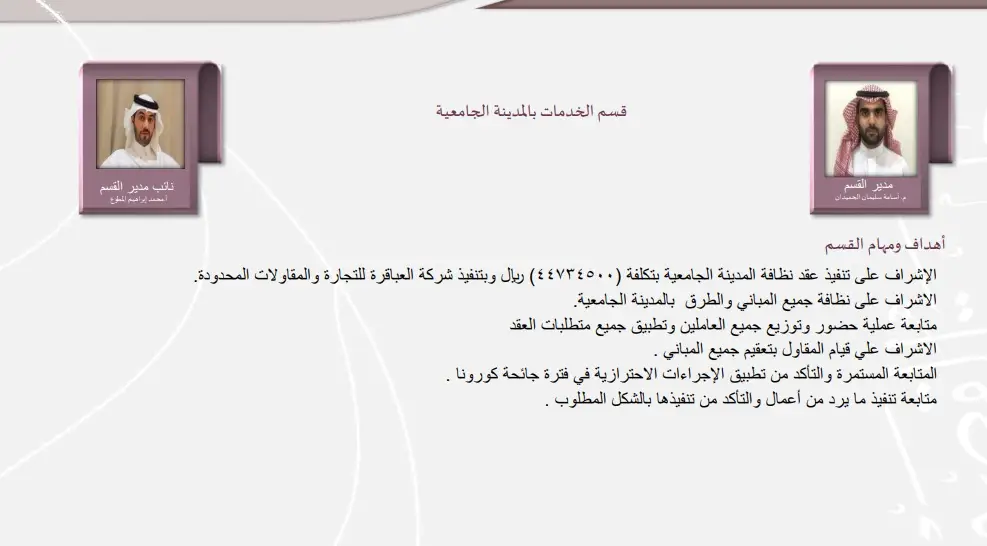
Management tasks
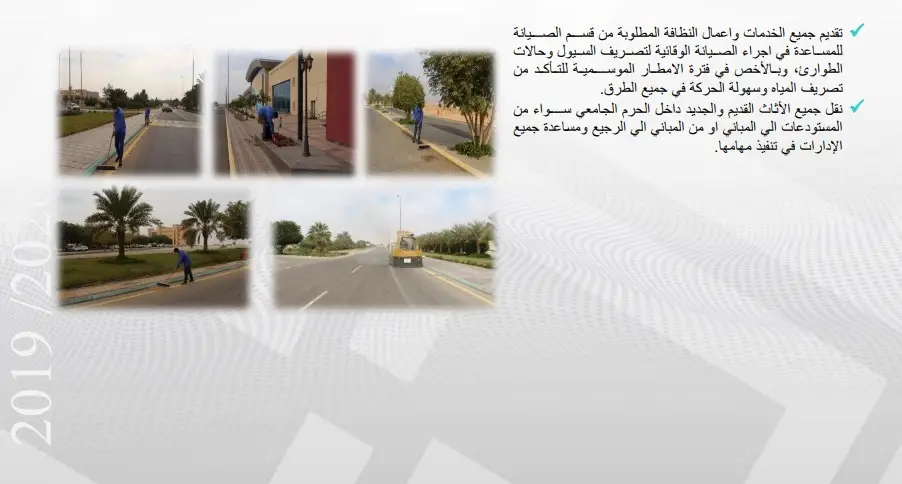
- Supervising the implementation of the university city cleaning contract at a cost of (44,734,500) pounds, carried out by Al-Abqareen Trading and Contracting Company Limited.
- Overseeing the cleanliness of all buildings and roads on the university campus.
Hygiene Department, Services Administration
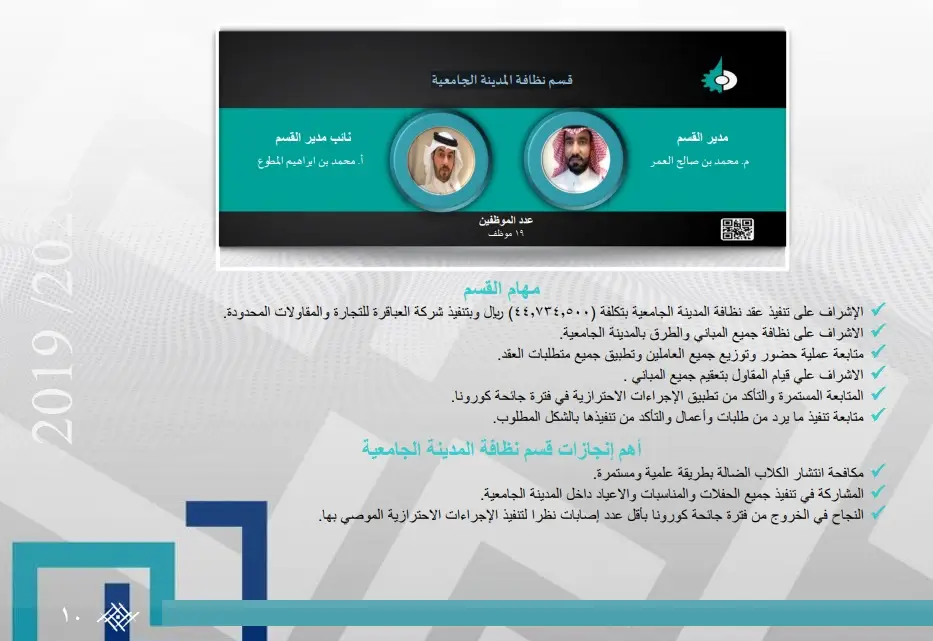
Department Message
- Supervising the implementation of the university city cleaning contract at a cost of 500,734.44 (Lira) and its implementation by Al-Abakera Trading and Contracting Company Limited.
- Overseeing the cleanliness of all buildings and roads on the university campus.
- Follow up on the attendance and distribution of all employees and the implementation of all contract requirements.
- Oversee the sanitization of all buildings by the contractor.
- Continuous follow-up and ensuring the application of precautionary measures during the Coronavirus pandemic period.
- Follow up on the execution of incoming requests and tasks, and ensure they are completed as required.
Environmental and Health Risk Unit
Click this link [7]
Specializing in the management of medical and health risks, hazardous chemicals, biological and radiological materials, infrastructure and operational risks, facility maintenance, and project management, which may include:
Chemical spills in laboratories.
Radioactive material leak.
Hazardous, radioactive, and biological waste.
Projects are failing.
Building cracks and fissures.
Waterproofing or sewage problems.
Air conditioning units are out of order.
Risks of electric elevators.
Risks of electrical connections and installations.
Choking incidents.
Infectious diseases and epidemics.
Food poisoning.
Chronic diseases.
Medical errors.
Medication dispensing errors.
Hazardous waste disposal mechanisms
Click this link [7]
With increased environmental and health awareness and understanding of the dangers of medical and chemical waste generated by healthcare institutions and laboratories to the environment and humans, the university—represented by the Projects and Maintenance Department—is implementing safe mechanisms for disposing of hazardous waste generated by the university's laboratories and health units.
This awareness considers the protection of individuals exposed to medical waste risks within facilities, as well as external workers responsible for transporting and disposing of this waste.
The Project Management and Maintenance Department contracts with a number of specialized companies for various types of hazardous waste, whether medical or non-medical. The contracts concluded with these companies detail the mechanisms followed in handling and disposing of the waste. The most important processes followed include:
Using incinerators
Ovens
Sterilization
and other safe means
The university also applies specific mechanisms to reduce this risk, through:
Medical and non-medical waste classification system application.
Use separate bags for each type of waste.
All employees (male and female) are required to place bags of appropriate weight into the waste bins within the scientific departments, and to avoid manually carrying waste bags through the corridors to prevent tearing.
Transport the bags using small trolleys designed for this purpose to the temporary collection point.
Use small containers or plastic packages marked “biohazardous waste” to collect needle and syringe remnants immediately after use.
Needles must not be disposed of directly in waste bags.
Needles must be sterilized and disposed of in designated containers.
The container should not be filled beyond three-quarters of its capacity.
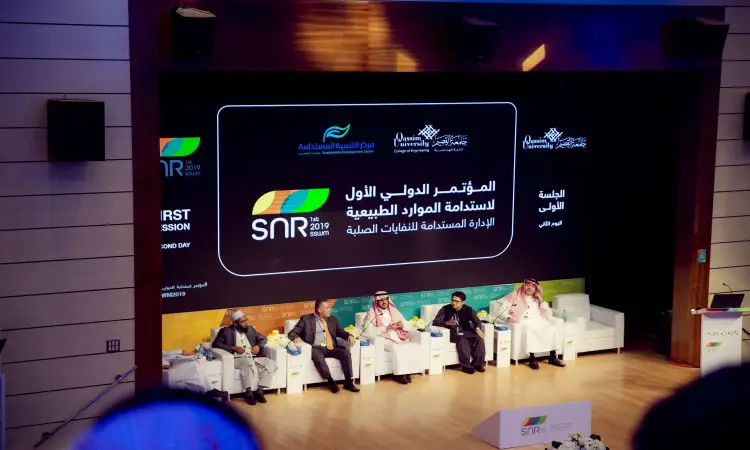
Scientific sessions of the First International Conference on Natural Resource Sustainability: Sustainable Solid Waste Management conclude their work at the university
Click this link [8]
The university, represented by the College of Engineering, concluded the scientific sessions of the First International Conference on Natural Resources Sustainability: Sustainable Solid Waste Management, which was organized by the college over two days at the university city. The conference was held under the patronage of His Excellency Professor Dr. Abdulrahman bin Hamad Al-Dawood, President of the university, and was attended by 36 speakers covering all aspects of this scientific gathering. The conference aims to explore the necessary procedures for transitioning to sustainable solid waste management systems. The specialized scientific sessions of the conference discussed a number of the latest scientific papers, research, and studies related to all conference themes and how to benefit from them.
Engineer Mohammed bin Muzahim Al-Mutairi, who holds an Executive Master's degree in Municipal Policies and Urban Development from King Saud University, and Dr. Walid bin Saad Al-Zamil, Assistant Professor in the Urban Planning Department at King Saud University, presented a research paper on mechanisms for rationalizing food consumption for Saudi households as an input for food waste management in the Kingdom. The paper discussed the national vision's pursuit of improving the urban infrastructure of Saudi cities and enhancing the quality of municipal services by developing policies for managing and controlling urban development. Solid municipal waste management is one of the challenges facing major city administrations in the Kingdom of Saudi Arabia. Social transformations and economic and population growth over the past three decades have affected food consumption patterns of Saudi households, accompanied by an increase in the volume of waste generated.
A research paper was also presented on effective waste management through the promotion of reusable packaging, presented by Dr. Ahmed bin Babader, a consultant at Responsible Performance Company (SARP). He spoke about how waste is an old dilemma for the environment and communities, and that packaging waste must be dealt with as part of all waste. The paper aimed to propose an integrated method for reducing the amount of packaging waste by promoting reusable packaging in communities and industries, and a conceptual framework was designed through a review of relevant literature.
The scientific sessions also discussed a research paper titled “A Hierarchical Strategic Approach to Food Loss and Waste Management for the Transformation of the Kingdom into a Circular Economy,” presented by Dr. Nuh Muath from the College of Engineering at Imam Abdulrahman Bin Faisal University. He stated that the concept of the bioeconomy has been a global trend in recent decades, aligning with a suitable and sustainable approach to solid waste management, with a particular focus on organic and food components. He noted that food loss and waste management globally has been a problem posing significant challenges to sustainable development in many countries, especially in the Kingdom of Saudi Arabia. A large number of socioeconomic factors are largely responsible for the enormous volume of food loss and waste (FLW), which challenges the achievement of sustainable development goals.
A research paper titled “Environmental and Financial Analyses of Waste Management Options in Madinah City,” presented by Dr. Abdul Qadir, an associate professor at the College of Engineering at the Islamic University of Madinah, was also reviewed. The paper addressed solid waste management options that require the integration of economic and environmental principles to select the best management method. This study analyzed the management and composition of solid waste (MSW) and its collection in the Madinah region, as one of the largest cities in Saudi Arabia, with the aim of finding the least costly management method.
Dr. Mohammed Sharik, Assistant Professor, Department of Civil Engineering, Faculty of Engineering and Technology, Aligarh Muslim University, Aligarh, India, Ashray Saxena, Master's student, Department of Civil Engineering, Indian Institute of Technology Gandhinagar, and Sarosh Suleiman, undergraduate student, Department of Civil Engineering, Faculty of Engineering and Technology, University of Hanover, presented a paper on age-dependent mechanical properties of recycled aggregate concrete containing industrial waste: A Clean and Sustainable Solution, in which they emphasized that concrete has become one of the most consumed materials after water due to its widespread use in the construction industry globally with an estimated 25 billion tons of concrete used annually in construction, in India alone generating 165 -175 million demolition waste per year, most of this waste goes to landfills and creates disposal issues, the use of recycled aggregates in concrete construction can save natural resources, the use of recycled aggregate and industrial waste in concrete construction not only solves disposal issues, but also solves the environmental issues associated with it.
A scientific paper titled "Evaluating the Economic Efficiency of Canadian Solid Waste Management Systems," presented by Dr. Ghulam Kabir, Associate Professor of Industrial Systems Engineering at the University of Regina, Canada, and Dr. Kelvin T. W. Ng, Professor of Environmental Systems Engineering at the University of Regina, Canada. They discussed sustainable and integrated solid waste management, which has become a critical issue in communities worldwide due to rapid urbanization and population growth. This study aimed to evaluate the performance of waste-to-energy systems for non-hazardous waste, considering economic outputs, expenses, profits, and business volumes for both public and private waste services.
A paper titled "Mandatory Aspects of Sustainable Waste Management in the MENA Region," presented by Attar Mohammed, Safwat Humaidat, Abdullah Nassour, Wa'el Shaaban, and Michael Nelles, was also reviewed. It addressed Solid Waste Management (SWM) as one of the major challenges facing developing countries, acknowledging that providing adequate waste management services is crucial due to the potential impact on public health and the environment. There are a number of key obstacles facing municipal solid waste management in the MENA region, including population growth in urban centers, lack of planning, lack of proper disposal, limited collection service, use of inappropriate technology, and insufficient funding.
Dr. Faisal Ahmed, Assistant Professor at the College of Engineering and Islamic Architecture at Umm Al-Qura University, presented a paper titled "Characterization of Solid Waste in Makkah Al-Mukarramah." He stated that a characterization of the solid municipal waste currently in Makkah Al-Mukarramah was conducted to assess its suitability for various waste treatment technologies. He explained that the prevalence of open dumping and the lack of reliable data on waste generation and characterization have created a difficult situation for the local urban authorities responsible for managing the solid waste generated in the city. The study analyzed solid municipal waste samples collected from streets in different locations at different times throughout the year to determine their physical properties. The physical properties indicated that the solid municipal waste is rich in biodegradable materials, with average rates of: 47% organic matter, 25% plastic, 20% paper and cardboard, 4% metals, 2% glass, 1% textiles, and 1% wood.
And also a study on the characteristics of household waste in the city of Buraidah, the first entry to good waste management, by Professor Ibrahim bin Saleh Al-Rubaidi, Director of the Center for Sustainable Development at the university, and Dr. Adel Al-Tayeb Abdulnour, Assistant Professor in the Plant Production Department at the College of Agriculture and Veterinary Medicine at the university, which discussed solid household waste that differs in its characteristics and components according to many conditions, including the number of family members, the nature of consumption, the size of the house, and the income level, and concluded by identifying a waste footprint.
A paper was presented on the evaluation of the potential of natural zeolite and biochar in the biotransformation of the organic fraction of solid waste into organic fertilizers. The research addressed the evaluation of adding natural zeolite found in Saudi Arabia, weed waste, and biochar (10 and 15%) to food waste for the purpose of producing compost. Compost quality was evaluated in terms of typical stability indicators such as moisture content, organic matter degradation, changes in total carbon, and variations in nitrogen components. The results showed that both amendments had a positive impact on food waste compost in terms of all maturity parameters.
Radwan Al-Masri, a university engineering professor, Hussein Haidar, an assistant professor at the university's College of Engineering, Mohammed Raad, and Aber Mohammed from the Faculty of Mechanical and Electrical Engineering at Al-Baath University in Syria, presented a scientific paper on evaluating a hybrid solar thermal and biomass energy system as a source for hot water supply, given the increase in per capita electricity consumption in Saudi Arabia from 6.11 MW in 2004 to 9.41 MW in 2014.
A research paper on the production of activated carbon based on sludge: a study of characterization, optimization, and adsorption, presented by Mohammed Daoud and Mohammed Al-Malak from the Department of Civil and Environmental Engineering at King Fahd University of Petroleum and Minerals, was reviewed. The paper discussed the use of sewage sludge to produce activated carbon using chemical activation method with different chemical agents including zinc chloride, potassium hydroxide, and phosphoric acid.
A paper on the use of solid organic waste in the production of activated carbon and its application in the adsorption of dyes and heavy metals was presented by Abdullah Ba Saleh and Mohammed Almark from the Department of Civil and Environmental Engineering at King Fahd University of Petroleum and Minerals. The paper addressed the problem of producing large quantities of municipal solid waste (MSW) annually, with a total local solid waste production of approximately 17 million metric tons per year, containing two main components: plastic and organic waste. Organic waste represents about 79%, with food waste being the primary source of the organic fraction. The common practice for managing solid organic waste is incineration or landfilling, which causes numerous environmental problems. Therefore, converting it into activated carbon in an alternative way can be a practical solution.
And through the paper "Sustainable curriculum for clean renewable energy recovery from solid waste" presented by Arooba Qadir, a lecturer in the Department of Civil Engineering at Capital University of Science and Technology, Islamabad, and Yasir Hassan, an assistant professor in the Department of Civil Engineering at Capital University of Science and Technology, Islamabad, on integrated solid waste management and the need to mitigate its harmful environmental burden and associated social and health risks, as waste reduction, recycling, and recovery are key components of integrated solid waste management.
A research paper on solid waste treatment through anaerobic digestion for the production of organic fertilizer and biogas. It discussed how local solid waste (municipal) such as food waste, animal manure, and sewage sludge requires proper and environmentally acceptable management before final disposal. It is a major source of air and water pollution, and the generated energy as biogas and high-quality fertilizer can be harnessed. The objective of this study was to investigate the feasibility of producing biogas and methane from food waste and animal manure in the first experiment, and in the second, to produce biogas and methane from sludge and animal manure through a co-digestion system under mesophilic conditions.
A research paper was discussed on the impact of recycling rubber scrap on sustainable development and environmental improvement, which indicated that waste management is a major concern in improving the environment and sustainable development of any country. However, critics of waste management tend to believe that recycling may offer little benefit to the environment, pointing out that the energy used to obtain recyclable materials might exceed what the recycling process saves. Although waste from old rubber, particularly old tires (scrap), is appearing in many waste streams, available data shows reasonable environmental performance for recycling regarding energy demand, depletion of natural resources, and the economic perspective.
A geophysical study was also presented on the impact of the Al-Muaisem landfill on groundwater to develop options for constructing its engineering cover. This study was presented by Turki Musfer Al-Aboud, an Associate Professor in the Civil Engineering Department at the College of Engineering and Islamic Architecture, Umm Al-Qura University. He explained that in order to preserve the environment, protect groundwater, and manage waste, the Secretariat of the Holy Capital intends to cover and close the old landfill in the Al-Muaisem area with an engineering cover that prevents rainwater from reaching the landfill's interior, mixing with its components, and affecting the quality of groundwater in nearby valleys. To preserve the aerobic environment, it plans to establish a gas collection network and consider the possibility of using it for energy production. Therefore, this research aims to study the impact of the landfill on the region's groundwater and identify the extent of pollution in the nearby valleys.
The university announces the schedule for the conference on sustainable natural resource and solid waste management
Click this link [9]
The university announced the schedule of works for the «First International Conference on Natural Resources Sustainability: Sustainable Solid Waste Management,» organized by the university's College of Engineering, during the period from 6-9 Rabi al-Awwal of next year 1441 AH. The conference aims to contribute to the preparation of a vision for sustainable solid waste management at the national and global levels, to clarify the volume of wasted natural and economic resources, and to estimate the environmental cost of waste.
Abstracts from researchers wishing to participate in the conference activities will be received starting on the 26th of Sha'ban, through registration on the university's website at the following link: sdc2019/. On the 10th of Ramadan, the acceptance of abstracts will be announced. Early registration will close on the 12th of Shawwal 1440 AH. The submission of full research papers will begin on the 4th of Dhu al-Hijjah, and their acceptance will be announced on the 16th of Muharram 1441 AH, prior to the conference's convening in the month of Rabi' al-Awwal.
For his part, Professor Dr. Khaled bin Bani Al-Harbi, Vice President for Development and Quality and head of the organizing committee, affirmed that this international conference comes at this time in line with the Kingdom's vision, which promotes the concepts of sustainability, especially regarding natural resources, in order to preserve them and invest them correctly to ensure their continuity and survival for future generations, God willing. He pointed out that the per capita consumption rates globally in general, and in the Kingdom in particular for some goods and services, are among the highest rates, which in turn generates a huge amount of solid waste, and this in turn depletes these important resources.
“Al-Harbi” added that the concept of sustainable development frames this moderate dealing with resources to ensure their continuity and preserve them for future generations. Hence, the importance of applying sustainable solid waste management to achieve optimal exploitation of natural resources and maximize their benefit. From this perspective comes the importance of encouraging initiatives aimed at improving sustainable waste management, maximizing the benefit of applying modern technologies in this field, and raising community awareness about the nature of risks resulting from its mismanagement.
The president of the conference organizing committee believes that improving waste management performance achieves the sustainability of natural resources and their optimal utilization, and limits their depletion. He emphasized the importance of holding such specialized scientific meetings aimed at highlighting everything new in this vital field, as Qassim University sensed the importance of this topic and adopted the organization of the first international conference for the sustainability of natural resources and shedding light on the sustainable management of solid waste, from the standpoint of its leading community role to contribute to raising the efficiency of natural resource management to achieve optimal community development.
The conference will explore the necessary measures for transforming to sustainable food systems with reduced losses and food waste, and stimulate integration among partners from different specializations for sustainable waste management. Additionally, it will examine opportunities to encourage investment in waste recycling technology development in the Kingdom, study the obstacles to investment in waste processing industries, and establish a system for environmental awareness, education, and training with the participation of individuals and communities. It will also link research and studies from Saudi and international universities to development requirements and confronting national challenges.
The conference includes several themes. The first theme addresses sustainable waste management practices across all stages, “from generation and source separation, collection, transportation, conversion, and finally disposal,” and at all levels, “planning, management, operation, maintenance, and investment.” The second theme discusses how to manage food loss and waste at the production and consumption levels. The third theme discusses investment in waste recycling and conversion industries, while the fourth theme addresses sound waste management from a Sharia and cultural perspective.
The university expanded its organization of this conference due to the high per capita consumption rates in the Kingdom of Saudi Arabia for certain goods and services, which are among the highest globally. This has increased the volume of solid waste generated. Furthermore, the Kingdom's natural resources are being depleted and degraded due to high consumption rates that conflict with the application of sustainable development concepts. In addition to the need to transfer and localize modern global technologies in the field of waste management in a way that is compatible with the Kingdom's circumstances, and the need to address the challenges arising from waste, which is the responsibility of every member of society. .
The university also aims to raise societal awareness of the risks arising from waste generation, encourage initiatives aimed at improving sustainable waste management, and provide opportunities for exchanging expertise and knowledge between specialists in waste management and sustainable development.
A green university city that supports environmental sustainability
Click this link [10]
More than 72,000 trees and palms, and 138,000 square meters of green spaces and areas adorn #Qassim University through treated water, which is utilized for irrigation within the university.
Saudi Green Initiative
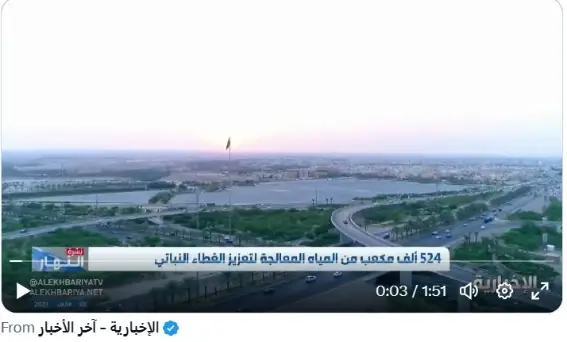
Click this link [11]
As part of the #Saudi Green Initiative and in achievement of the goals of the Kingdom's Vision 2030..
تساهم #جامعة_القصيم في زيادة مساحة الغطاء النباتي داخل المدينة الجامعية والاستفادة من قرابة 524 ألف متر مكعب من المياه المعالجة للحد من آثار التصحر
#World Day to Combat Desertification and Drought
Sustainable Development Corner at Qassim University's Fourth Campaign «Awareness, Health, and Education»
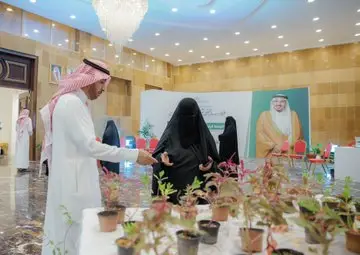
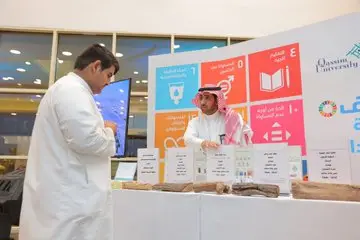
To raise environmental awareness, the Sustainable Development corner of the campaign #جامعة_القصيم The fourth activity, «Awareness, Health, and Education,» provided visitors to the campaign with awareness materials on environmental preservation, encouraging practices in protecting and cultivating wild plants, in addition to rationalizing energy and water consumption at the celebrations center in Qubbah, Al-Aysyah Governorate.
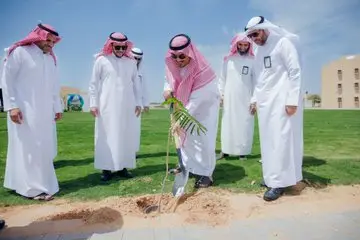
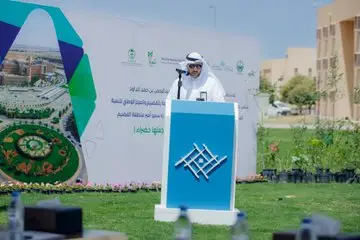
Increasing vegetation on campus
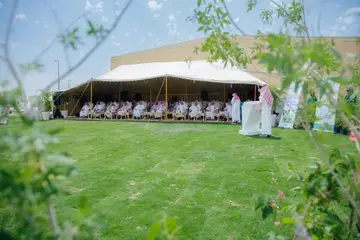
Click this link [12]
Exceeding 70,000 trees in its previous phases.. His Excellency the President #جامعة_القصيم launches the eleventh phase of the initiative #أرض_القصيم_خضراء and initiative #Let's make it green which aims to plant 30,000 seedlings and increase vegetation cover at the university, in the presence of Their Excellencies the Vice Presidents of the university, the Director General of the branch of the Ministry of Environment, Water and Agriculture in Al-Qassim region, and the Director of the branch of the National Center for Vegetation Development and Combating Desertification in the region, at the main headquarters in the university city.
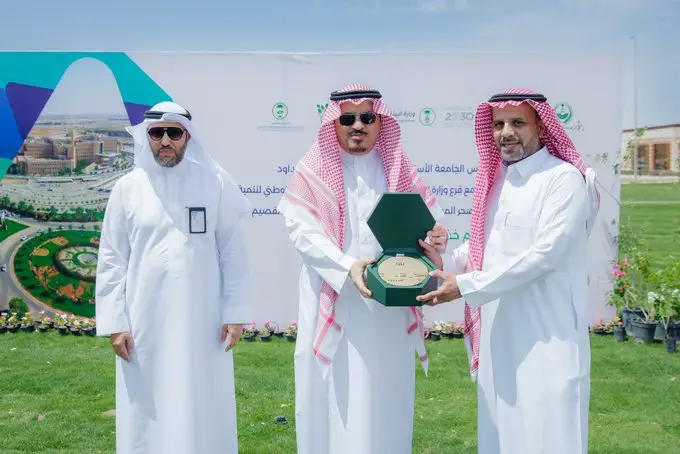
Implementing the "Qassim_Green_Land" initiative
Click this link [13]
Your Excellency, Mr. President #جامعة_القصيم The branch of the Ministry of Environment, Water and Agriculture in the Qassim region and the National Center for Vegetation Cover Development and Combating Desertification in the region are honored for their cooperation with the university in implementing an initiative #أرض_القصيم_خضراء and initiative #Let's make it green.
References
[1] [Online]. Available: .Click this link
[2] [Online]. Available: .Click this link
[3] [Online]. Available: .Click this link
[4] [Online]. Available: .Click this link
[5] [Online]. Available: .Click this link
[6] [Online]. Available: .Click this link
[7] [Online]. Available: .Click this link
[8] [Online]. Available: .Click this link
[9] [Online]. Available: .Click this link
[10] [Online]. Available: .Click this link
[11] [Online]. Available: .Click this link
[12] [Online]. Available: .Click this link
[13] [Online]. Available: .[Online]. Available: https://twitter.com/QassimUniv1/status/1655894402265497600