 Official government website of the Government of the Kingdom of Saudi Arabia




13
Climate Action Plan, shared

Related Content
Climate Action Plan, shared
Qassim University demonstrates a visionary and comprehensive approach to institutional sustainability through its formally shared Climate Action Plan. This strategic framework establishes clear, measurable targets for reducing greenhouse gas emissions, optimizing energy efficiency across campus facilities, and integrating sustainable practices into academic, administrative, and operational domains. By openly sharing its roadmap—which encompasses large-scale renewable energy integration, rigorous carbon tracking, water-energy nexus research, and cross-sector collaborations with governmental and private entities—the university ensures transparency and accountability. Through this shared action plan, Qassim University not only guides its internal transition toward a fully carbon-neutral campus but also serves as a collaborative regional model, empowering stakeholders, community partners, and peer institutions to actively participate in coordinated climate mitigation and adaptation efforts.
Qassim University Climate Action Plan & Sustainability Strategy
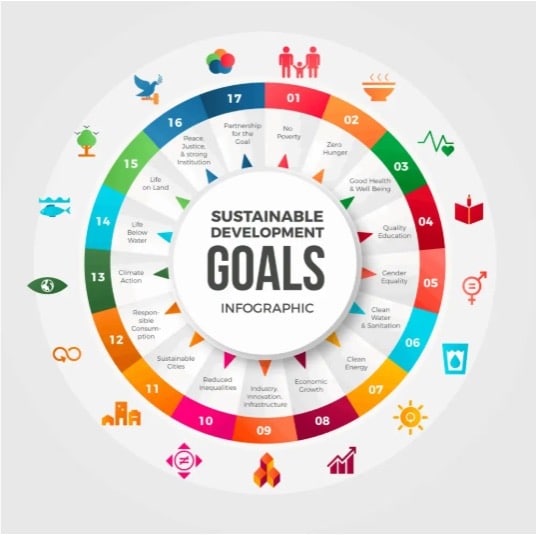
Qassim University has established a comprehensive Climate Action Plan and institutional sustainability strategy aimed at achieving carbon neutrality, optimizing energy efficiency, transitioning to renewable solar energy, and reducing greenhouse gas emissions across all campus facilities in alignment with the Saudi Green Initiative and Vision 2030.
Qassim University Energy Management and Carbon Reduction Framework
Developed by the Standing Committee for Energy Management, this institutional climate action plan outlines mandatory energy rationalization protocols, smart building automation (BMS/FMS), and greenhouse gas tracking to monitor and reduce carbon footprints across campus buildings.
Tarsheed Energy Efficiency Retrofit & Net-Zero Roadmap
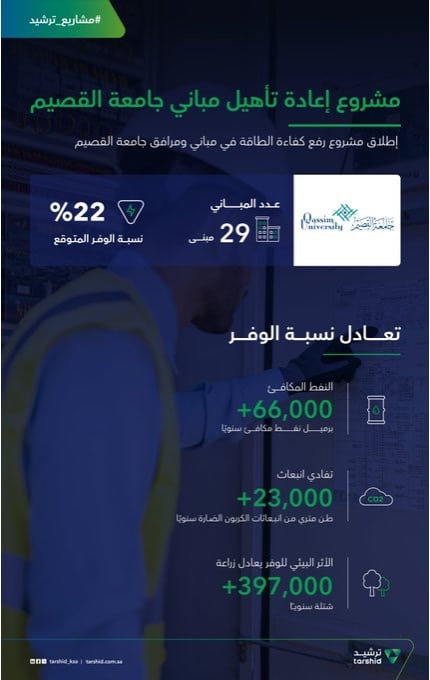
As part of its formal climate action implementation, Qassim University partnered with the National Energy Services Company (Tarsheed) to execute a comprehensive energy-efficiency retrofit covering 29 university buildings, targeting a 22% reduction in electricity consumption and avoiding over 23,000 tonnes of carbon emissions annually.
Greenhouse Gas (GHG) Emissions Inventory and Reporting Plan
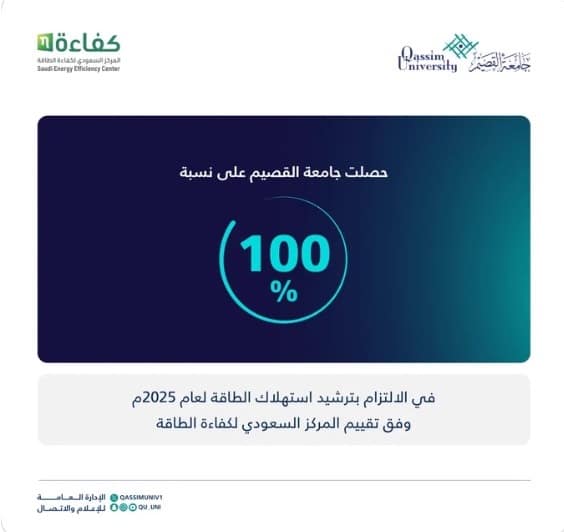
Qassim University achieved a 100% compliance rating in energy rationalization for 2025 as evaluated by the Saudi Energy Efficiency Center, reflecting the effectiveness of its institutional climate action and energy conservation measures.
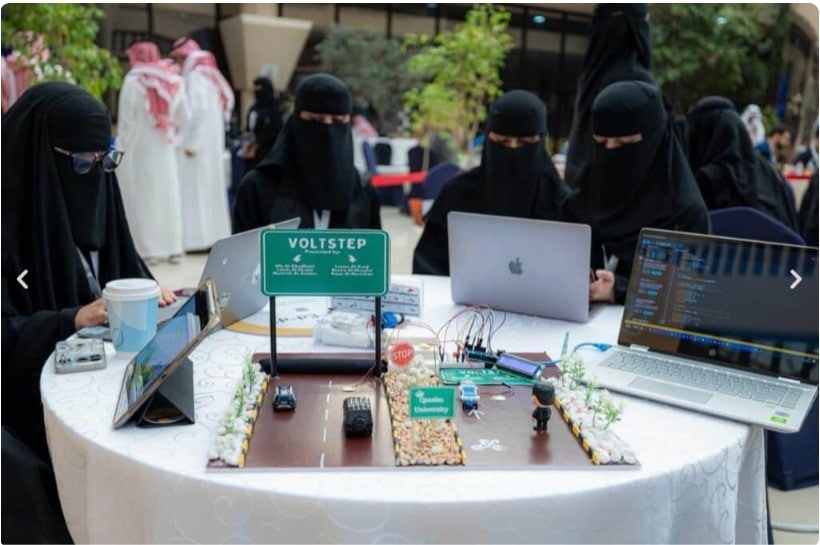
Sustainable Electricity from Daily Movement
Female students at the university developed an innovative project to convert daily physical movement into sustainable electricity as part of the “Innovation Incubator 5” initiative.
Joint Laboratory in Water Innovations and Renewable Technologies
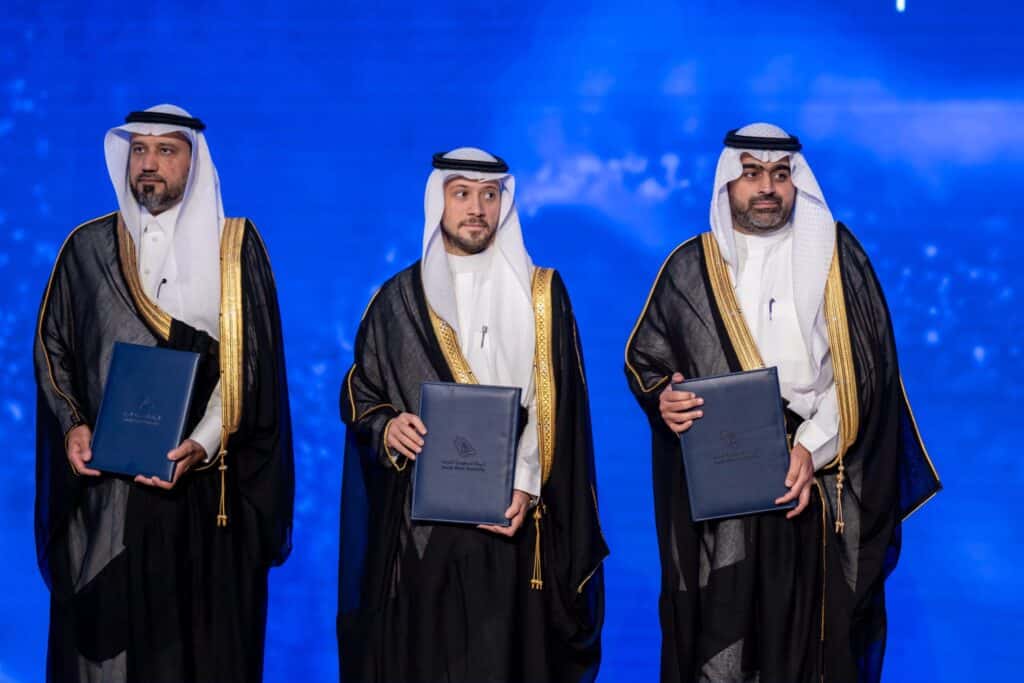
The university signed an agreement to establish a joint laboratory at the Water Innovation Oasis in Rabigh, supporting clean technology research and resource sustainability.
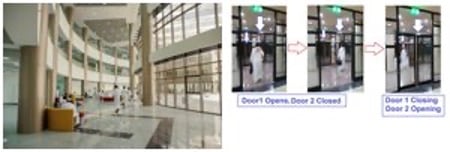
Renovating buildings according to energy efficiency standards
Qassim University (QU) is committed to ensuring all campus infrastructure—new buildings, renovations, and upgrades of existing facilities—comply with energy-efficient standards and design features that minimize operational energy demand and reduce fossil fuel consumption, in accordance with SEEC and Saudi Building Codes (SBC 601, SBC 1001).
Saudi building codes applied to all new university buildings
Qassim University applies all the specifications of the Saudi codes for non-residential buildings in all its new buildings. These codes include all green building elements and energy efficiency specifications, specifically the Saudi Building Code for Energy Conservation – Non-Residential Buildings (SBC 601) and the Saudi Green Building Code (SBC 1001).
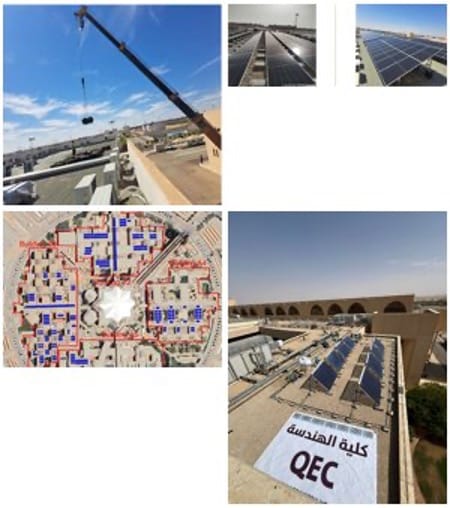
Installation of solar panels on university buildings
The photos document the installation of the 5,137 kW solar system implemented with Tarshid on the rooftops of existing university buildings and facilities: lifting the panels to the roofs, the rows of panels installed, the distribution map of the panels across university buildings, and the panels at the College of Engineering. The system is expected to generate about 8.6 million kWh of clean electricity every year on the University’s own buildings, reducing the electricity it buys from the grid.
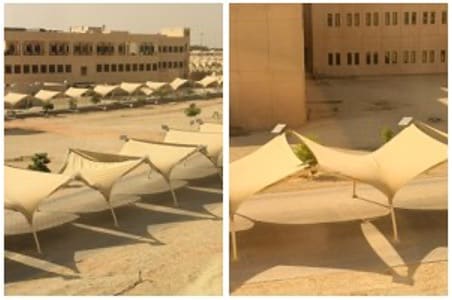
Solar panels on campus walkway shade canopies
Solar panels have been mounted on the shade canopies that cover the pedestrian walkways between university buildings, adding clean-energy generation to existing campus structures alongside the rooftop solar project.
Smart building systems: automatic energy monitoring and building management
The University applies smart-building technologies to detect energy waste: a Building Management System (BMS/BAS/FMS); automatic acquisition and logging of energy and water consumption; monitoring of temperature, humidity and air velocity through MAXIMO; CO2 monitoring; and high-efficiency LED luminaires. The systems are operated from a central control room, where consumption data are followed up continuously.
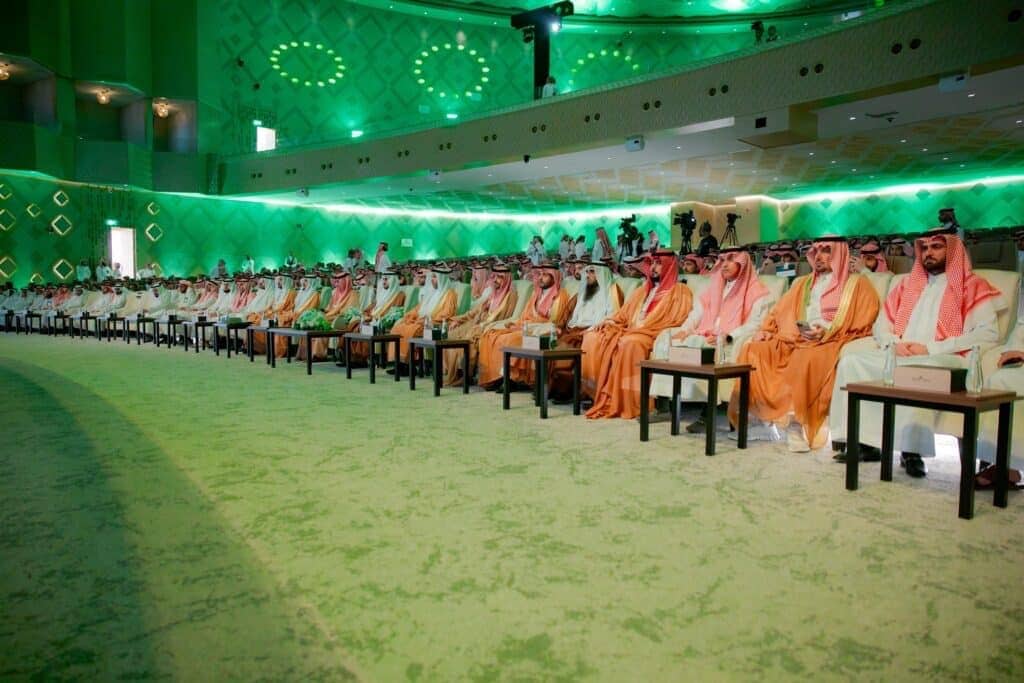
Geographical Conference for Environment and Saudi Reserves: Towards Sustainable Development
Qassim University organized the Geographical Conference for Environment and Saudi Reserves under the theme ‘Towards Sustainable Development’, serving as an educational and scientific platform for local community awareness on environmental conservation, climate impact, and natural reserve management.
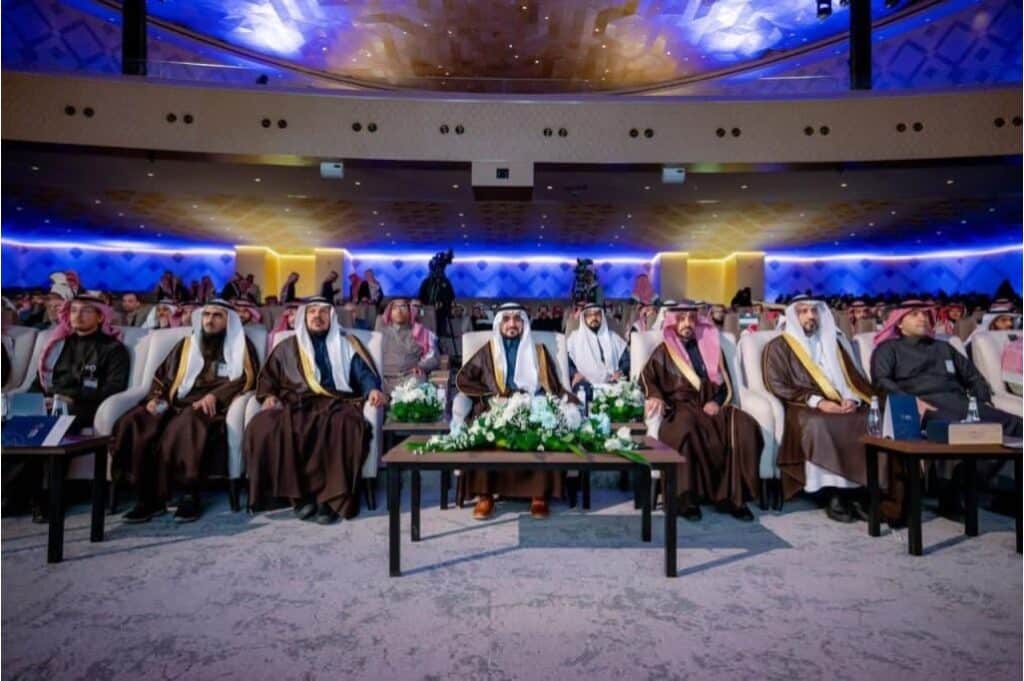
The Second International Conference on Natural Resource Sustainability
Qassim University hosted the Second International Conference on Natural Resource Sustainability, featuring 5 panel discussions and specialized scientific sessions covering environmental protection, sustainable resource management, and local community education on climate resilience.
Qassim University participates in the 1st Qassim International Environmental Forum
Qassim University actively participated in the 1st Qassim International Environmental Forum, presenting educational awareness initiatives, research on climate adaptation, and community environmental protection programs.
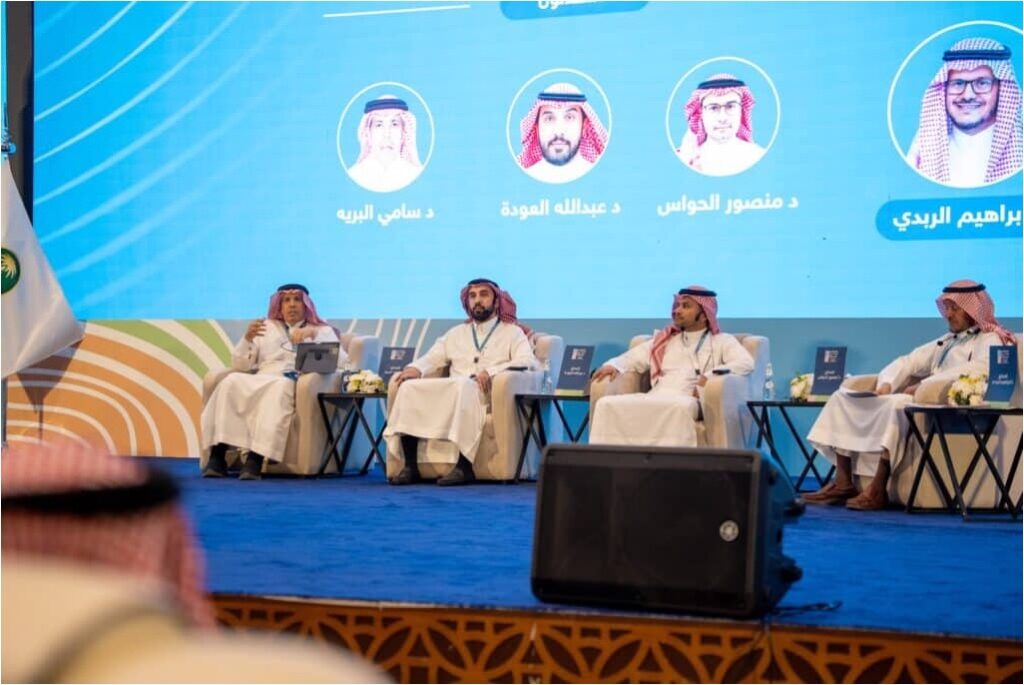
Cooperation agreement with Wa'i Environmental Society for climate awareness
The President of Qassim University received the Chairman of Wa’i Environmental Society to enhance community partnership, launch joint local educational programs on environmental awareness, and conduct climate-oriented public workshops.
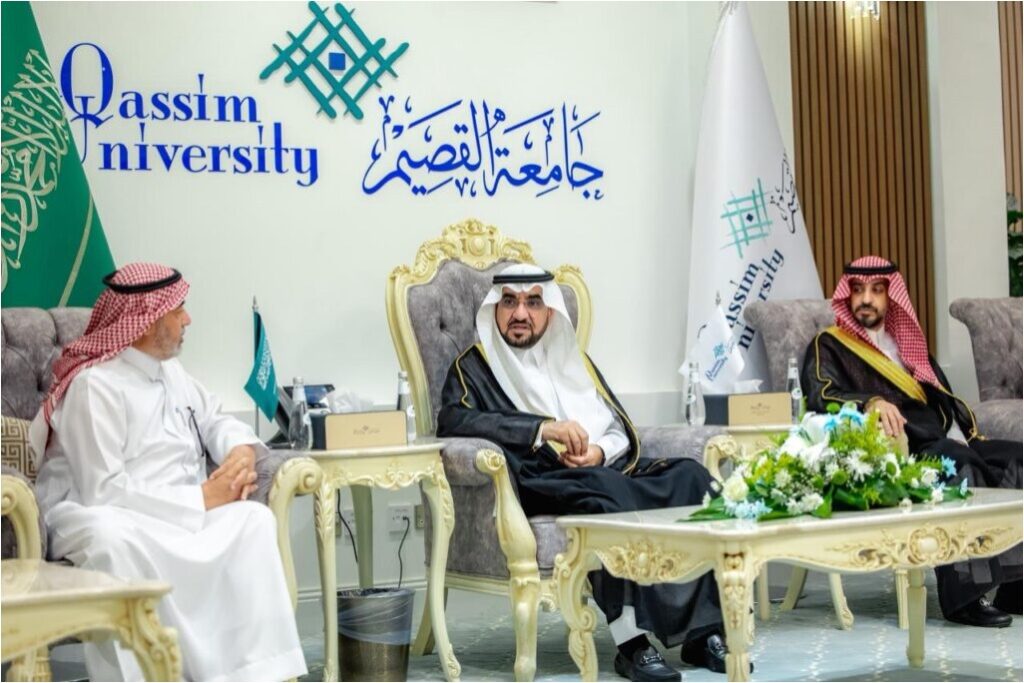
Participation of Sustainable Development Center in developing Sho'aib Al-Tarfiyah
The Sustainable Development Center at Qassim University participated in the environmental rehabilitation and community development of Sho’aib Al-Tarfiyah, integrating local educational activities and field awareness on land restoration and ecosystem protection.
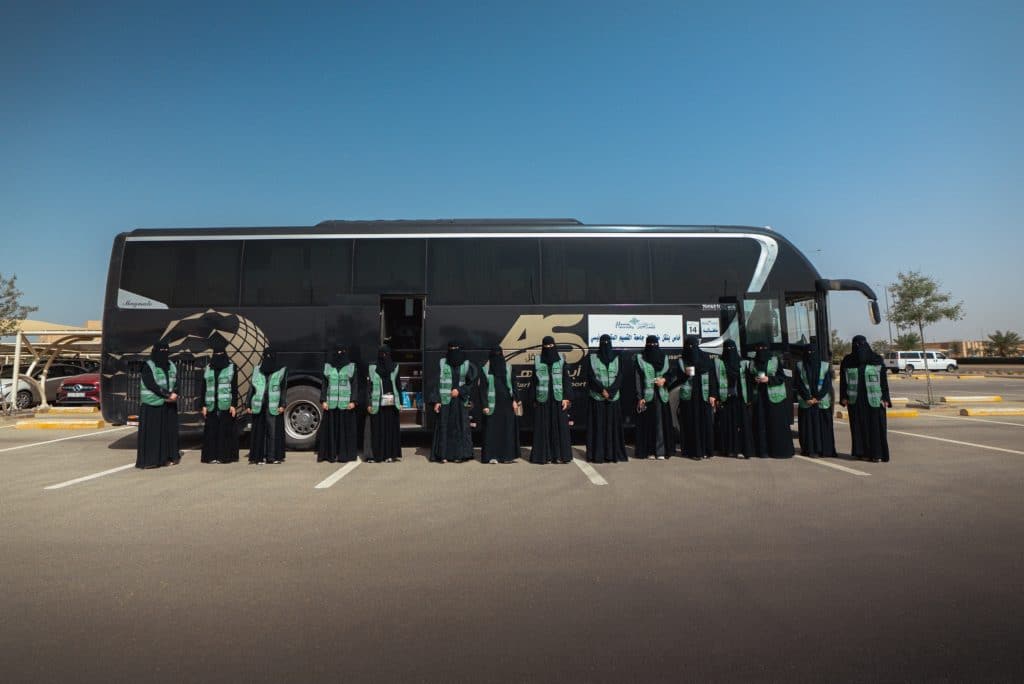
Qassim University wins the Qassim Award for Excellence and Innovation for Sustainable Development
HRH the Governor of Qassim honored the University, represented by the Sustainable Development Center, for winning the Qassim Award for Excellence and Innovation in recognition of its impactful local educational programs on climate, environment, and sustainability.
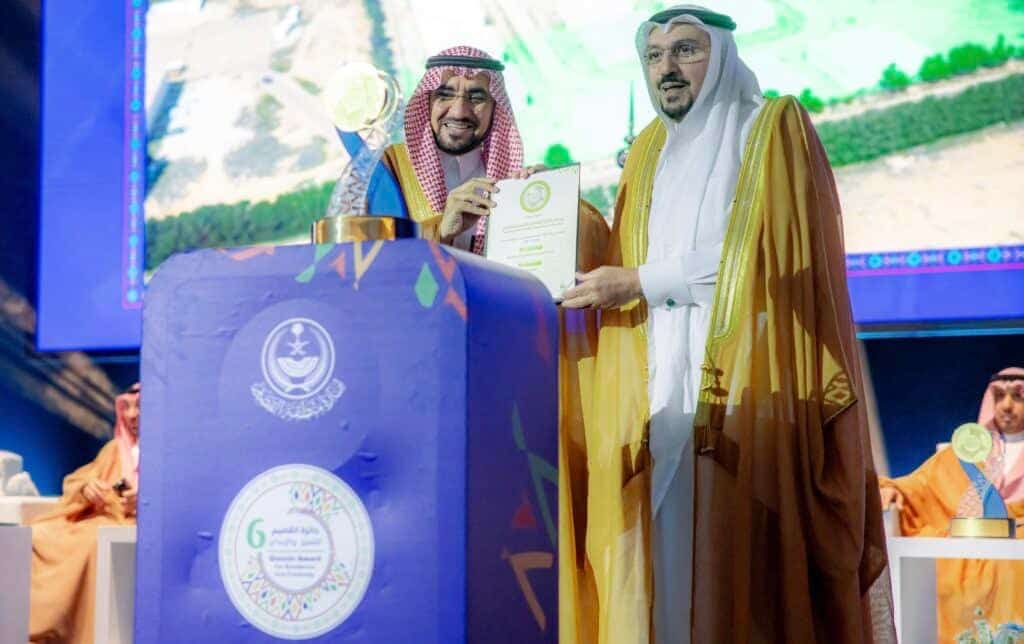
Qassim University Engineering Club discusses the role of solar energy in boosting the national economy according to Vision 2030
Engineering Club Qassim University researches roles Solar energy In strengthening the national economy according to Vision 2030
Media and Communication Center:
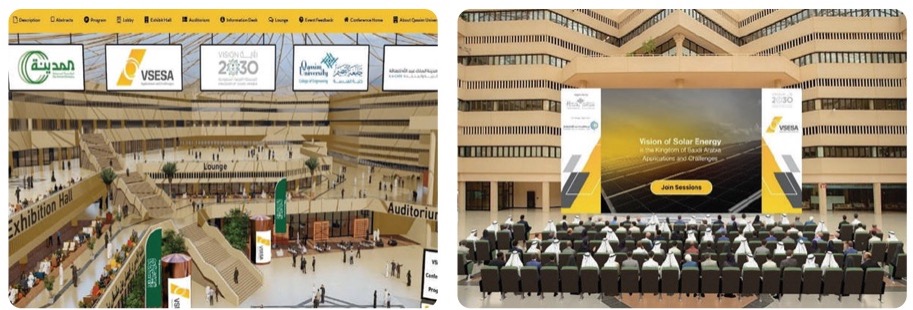
The Engineering Student Club at Qassim University’s College of Engineering organized, along with the organization “ASME”In partnership with the Saudi Council of Engineers, a lecture titled “The Role of Solar energy In strengthening the national economy in line with Vision 2030.
Dr. Radwan Abdel Ghani spoke during his lecture about the pillars on which the vision relies: a vibrant society, a prosperous economy, and an ambitious nation, and the importance of energy in achieving these pillars. This lecture was part of the multiple programs organized by the Engineering Student Club to raise the competency of engineering college students and those interested in this field. The lecture received great attention from the students due to its importance and the information it contained, which explained the role of solar energy in Vision 2030.
For their part, a number of members of the Engineering Student Club affirmed that the club will continue to hold lectures that will develop students and raise their efficiency in line with the Saudi Vision 2030.
The lecture was held at the Engineering College theater with more than 120 attendees, including the Dean of the Engineering College, Dr. Fahd Al-Mofadi, his deputies, and a number of faculty members, engineers, and students.
Qassim University Center for Sustainable Development Hosts Community Training Workshops on Eco-Friendly Practices
This outreach program highlights Qassim University’s strong commitment to Sustainability Literacy by engaging students and the broader community in practical training sessions covering waste reduction, water conservation, and recycling methods. Through experiential learning, the university fosters a culture of environmental responsibility and long-term ecological literacy.
Goal-related news
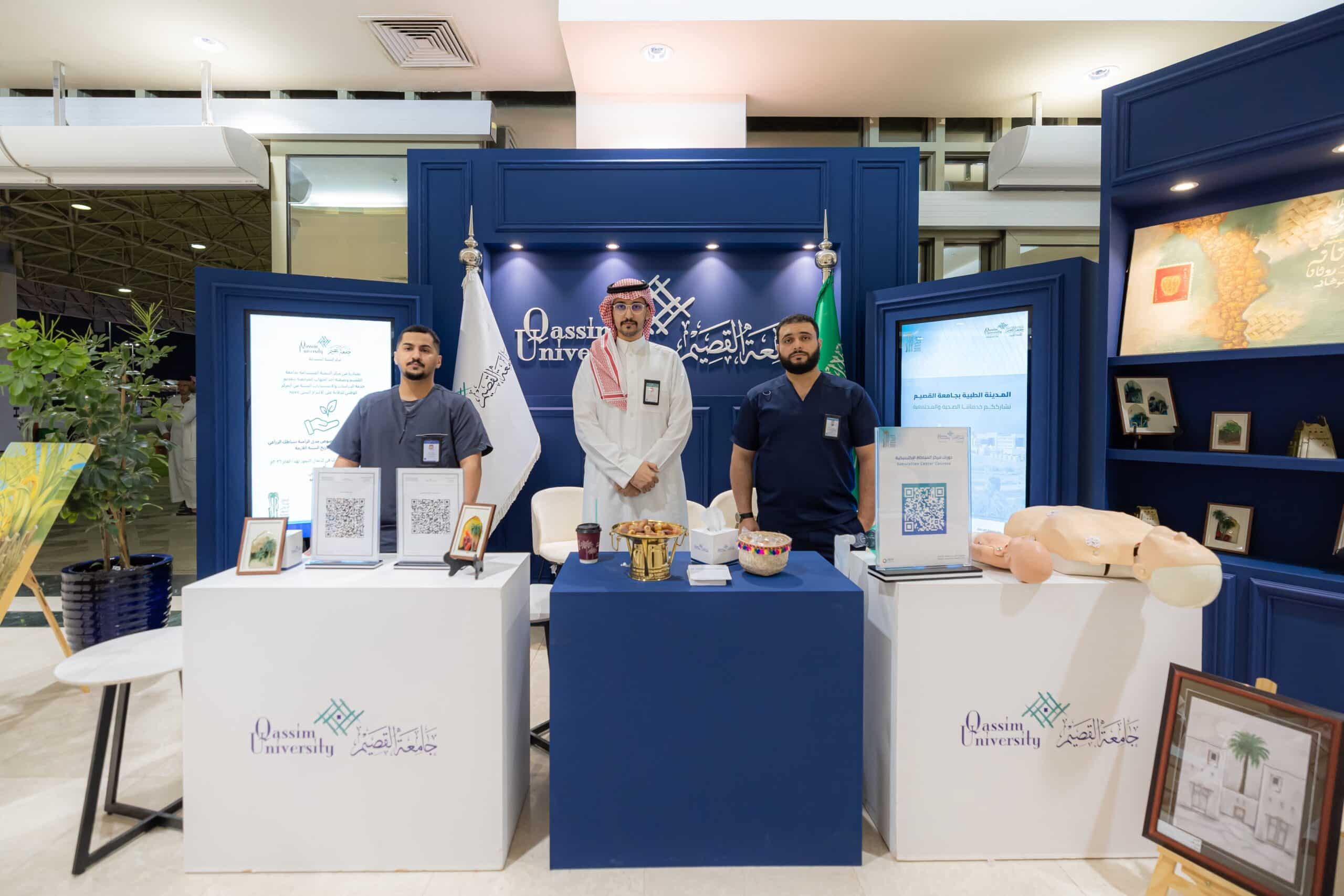
The Al-Qassim University, represented by the General Department of Community Partnership, in cooperation with the university’s colleges, the Medical City, and the Center for Sustainable Development, is participating in the 2026 Buraydah International Date Palm Festival through the provision of workshops, scientific studies, awareness-raising and educational activities related to the date sector to enrich the information of visitors, as part of the university’s participation in quality events and programs in the region, and to enhance its role in serving the community […]
2026-08-25

The university signed a memorandum of understanding with Shell Global Solutions Ltd. to enhance cooperation in the fields of engineering innovation, sustainability, and clean energy, and to enable students to participate in international programs and competitions related to engineering solutions, clean energy, and sustainability. This was attended by the Vice President for Academic Affairs, Dr. Fahd bin Suleiman Al-Ahmad. The memorandum was signed on behalf of the university by the Dean of the College of Engineering, Dr. Fahd bin Nasser […]
2026-05-10

The eighth engineering scientific conference at the university witnessed the holding of a discussion session titled “Life Quality Engineering,” moderated by Dr. Abdullah Al-Ghaifes, associate professor in the mechanical engineering department at the College of Engineering. During the session, a number of experts in the field of engineering spoke, where the session director emphasized that quality of life is not built from a single perspective, nor is it achieved by chance, but it is an ongoing design process that involves all parties involved […]
2026-05-08

On Sunday morning, 22 Shawwal 1446 AH, the university launched the activities of the sixth edition of the comprehensive campaign “Awareness, Health, and Education” in Al-Nabhaniyah Governorate, under the distinguished patronage of His Royal Highness Prince Dr. Faisal bin Mishaal bin Saud bin Abdulaziz, Governor of Al-Qassim Region. This initiative is part of the university's community roles and national mission, aiming to provide integrated health, awareness, and educational services to the residents of the governorate.
2025-04-21

The university, represented by the General Administration for Maintenance and Services, continues its participation in the seventh phase of the “Qassim Green Land” campaign, which launched on Sunday, 23/7/1442 AH, and will last for 30 days. The university aims to plant approximately 10,000 seedlings of various trees throughout the university city and its various locations, under the direction and supervision of His Excellency Professor Dr. Abdul Rahman bin Hamad [...]
2021-03-24