 Official government website of the Government of the Kingdom of Saudi Arabia




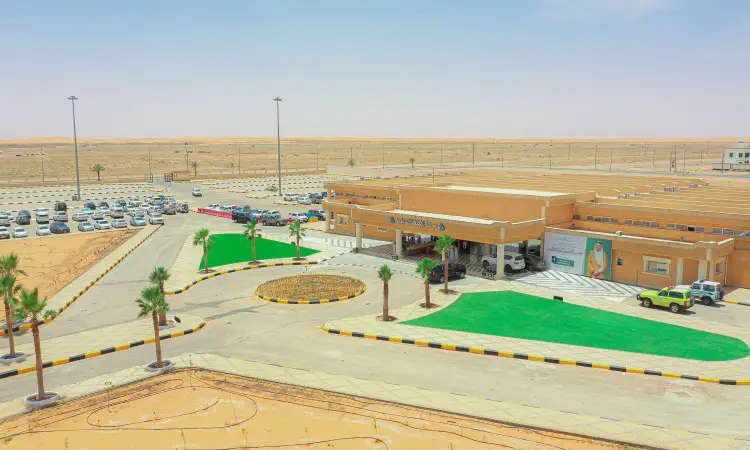
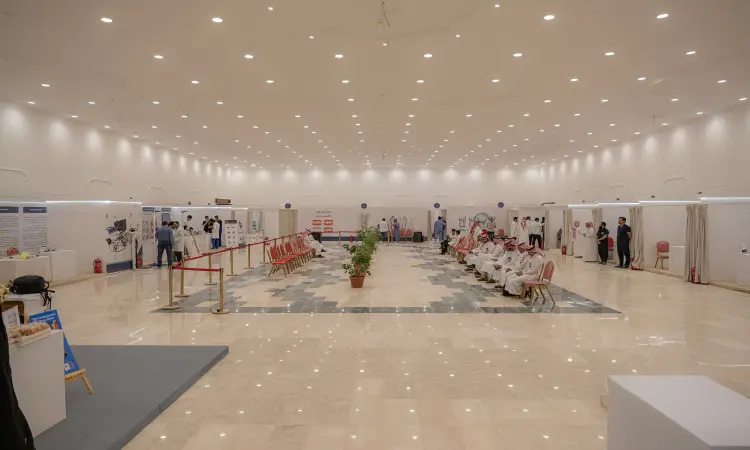
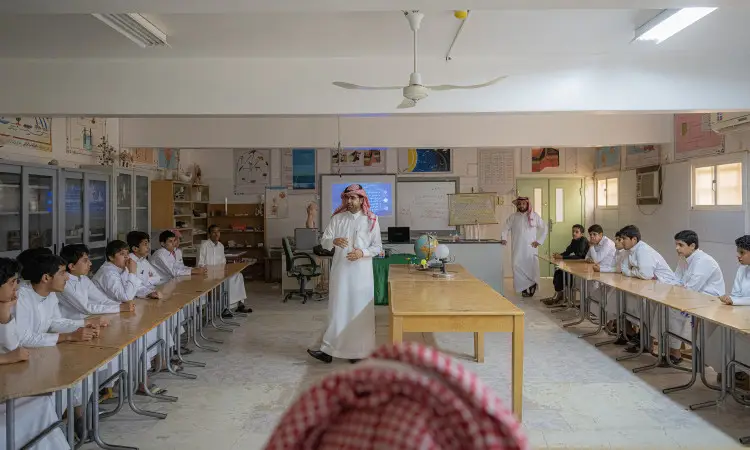
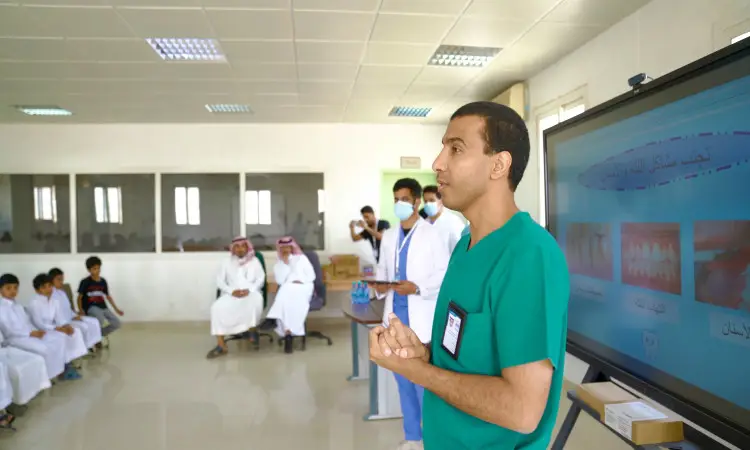
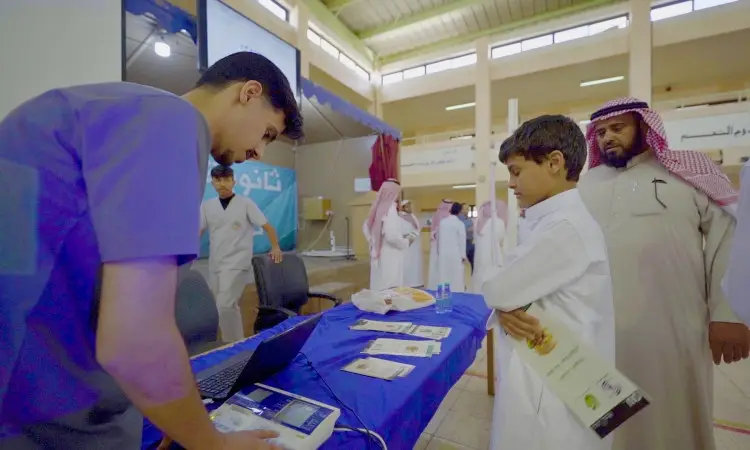
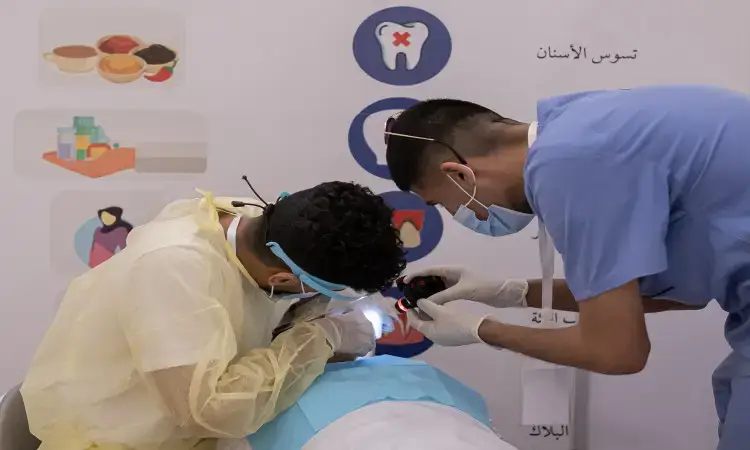
On Sunday, the university's "Health, Awareness, and Education" campaign, in its fourth edition, launched its programs and activities at Quba Center in Al-Asyah Governorate. The campaign is sponsored by His Royal Highness Prince Dr. Faisal bin Mishaal bin Saud bin Abdulaziz, Governor of the Qassim region, and supported and monitored by His Excellency Prof. Dr. Abdulrahman bin Hamad Al-Dawood, President of the University. The campaign's main headquarters is the celebrations center in Quba Center, located 150 km from the university's main campus.
This qualitative and comprehensive campaign is launched from the university's pioneering role in social responsibility. The university aims to contribute to instilling positive concepts and loyalty to the nation and serving it, and to protect youth from extremism, deviation, misguided ideas, and wrong behaviors. It also aims to support quality of life through medical programs, health and psychological awareness, and to raise the level of personal skills and self-capabilities, which supports academic and cognitive achievement.
For his part, Professor Dr. Ahmed bin Ibrahim Al-Turki, Chairman of the Campaign's Executive Committee, explained that the university began preparing for this campaign 6 months ago by forming more than 14 committees. These included organizational and scientific committees, as well as executive committees responsible for preparing all the necessary diverse programs and activities for the campaign. They also prepared the implementation venues, training halls, and accommodation for the program implementation teams, along with their provisions. Publications and media coverage were also prepared. A specialized women's committee was also formed to oversee women's programs and follow up on their implementation.
He added that more than sixty university staff members participated in these committees and worked diligently to accomplish the tasks assigned to them. He pointed out that the number of those implementing the campaign's programs and activities reached six hundred university staff, male and female students. The number of programs and activities exceeded 240, implemented at the campaign's headquarters and in a number of schools, mosques, and government departments in and around the city of Qubbah.
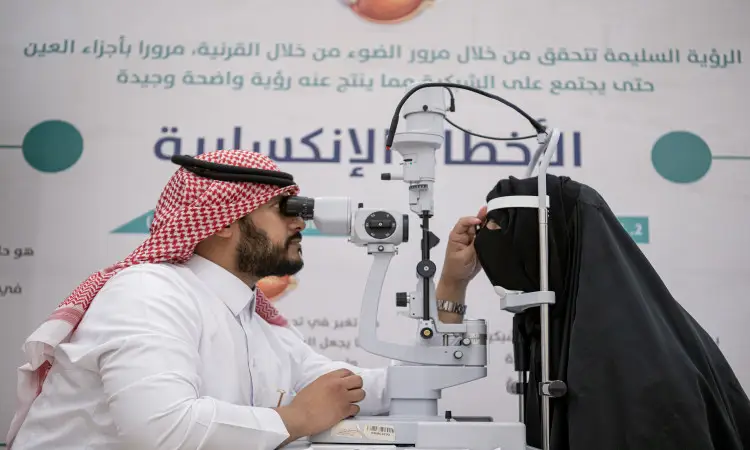
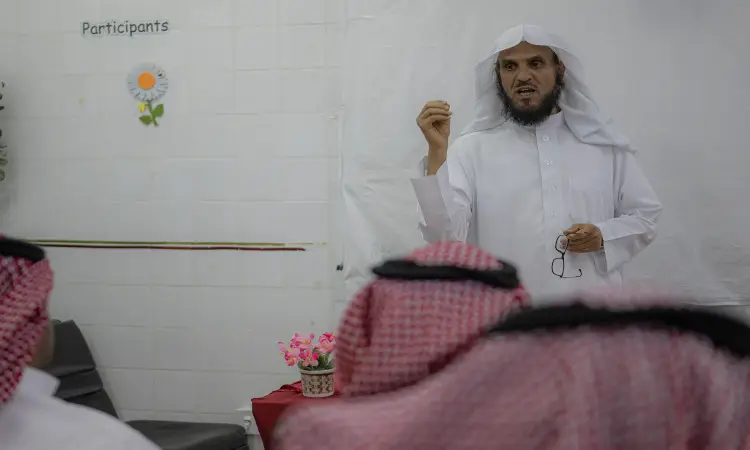
The Turk said: The programs to be presented during the campaign days vary between religious programs, totaling (57 programs), educational programs, numbering (26 programs), as well as medical clinics, numbering (37 programs), oral and dental health, numbering (32 programs), health and nutritional awareness, numbering (21 programs), training and skill courses, numbering (14 programs), in addition to laboratory, visual examination, radiology, and physical therapy programs, totaling 46 programs.
The Turk also pointed out that sports and entertainment will have a significant share among these programs. The campaign also allocated a wing to educate youth about the dangers of drugs and harmful chemical substances such as shabu and others, in addition to organizing a veterinary convoy to examine and treat livestock in the Qibba center, carried out by qualified veterinary consultants from the university. The campaign programs will start in the morning and continue until the evening for five consecutive days to serve the residents of the Qibba center and its surroundings, whose population exceeds twenty thousand people.

