 Official government website of the Government of the Kingdom of Saudi Arabia



- Home
- About
- Departments
- Radiology and Medical Imaging Department
- Ear, Nose and Throat Department
- Department of Internal Medicine
- Anatomy and Histology
- Medical Education Department
- Surgical department
- Dermatology
- Department of Psychiatry
- Orthopedic Surgery Department
- Obstetrics and Gynecology
- Department of Family and Community Medicine
- Department of Pediatrics
- Department of Emergency Medicine, Care and Anesthesiology
- Ophthalmic department
- Department of Biology and Immunology
- Department of Pathology
- Physiology
- Programs
- Faculty members
- Timeline
- Contact us
Department of Biology and Immunology
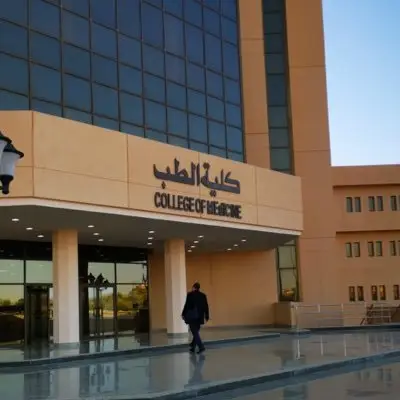
Head of Department:
Dr. Abdul Ilah bin Ahmed Al-Qurzai
Office :
Main Building - B2 Building
Phone number :
01611873
e-mail:
mdc.bdh@qu.edu.sa
Vision
The department aims to be a leader in medical education and sustainability and a supporter of community health promotion and national and global partnership
Mission
Providing a distinguished, advanced and sustainable academic environment that contributes to enhancing the health level of the community by graduating medical competencies, providing consultations and conducting research studies that are scientifically and professionally influential and support innovation and effective partnerships.
Overview
The department specializes in the biological, practical, and clinical aspects of bacteriology, virology, parasitology, mycology, and immunology, and strives for excellence in providing medical students with the knowledge and skills needed to diagnose, prevent diseases, and perform laboratory investigations in microbiology.
Academic programs :
Objectives :
- Providing students with basic scientific knowledge in the field of specialization.
- Developing practical and applied skills related to the profession or academic field.
- Promote critical and creative thinking among students.
- Preparing students for the labor market by developing professional and technical skills.
- Instilling professional values and ethics related to the field.
- Encouraging scientific research and participating in research projects.
- Serving the community by providing scientific solutions and community initiatives.
Educational goals:
1. Describe the development, structure, and functions of the immune system.
2. Recognize the different types of human diseases that affect the immune system
3. Describe the principle of managing different types of human diseases that affect the immune system, with a focus on common conditions, using a community-based approach.
4. Study the structure of microorganisms such as: viruses, bacteria, fungi, and parasites that infect humans