 Official government website of the Government of the Kingdom of Saudi Arabia




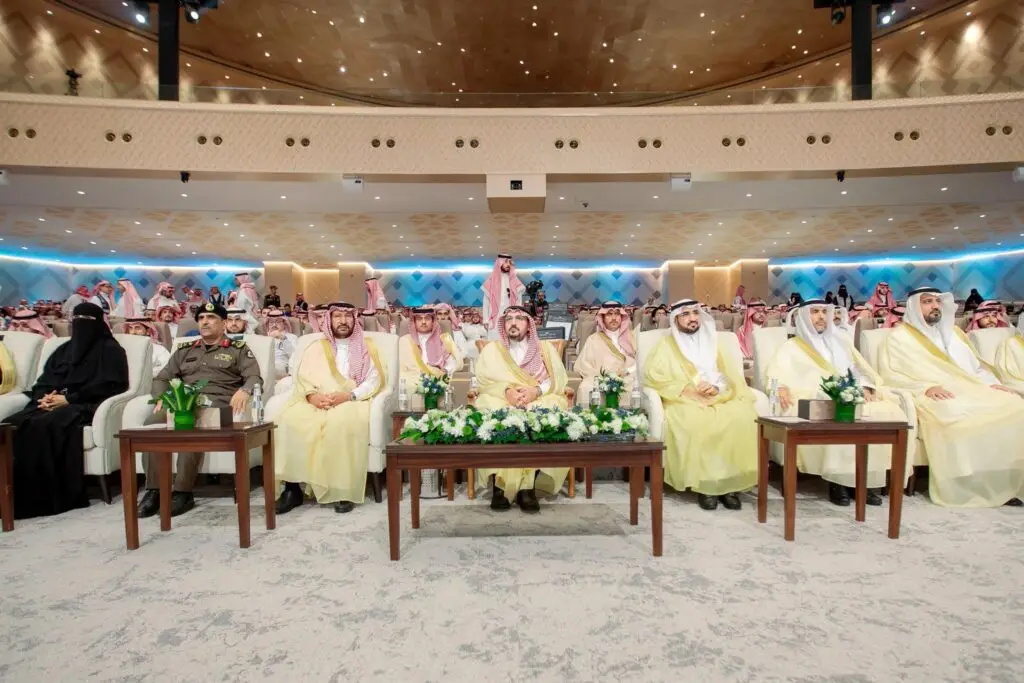
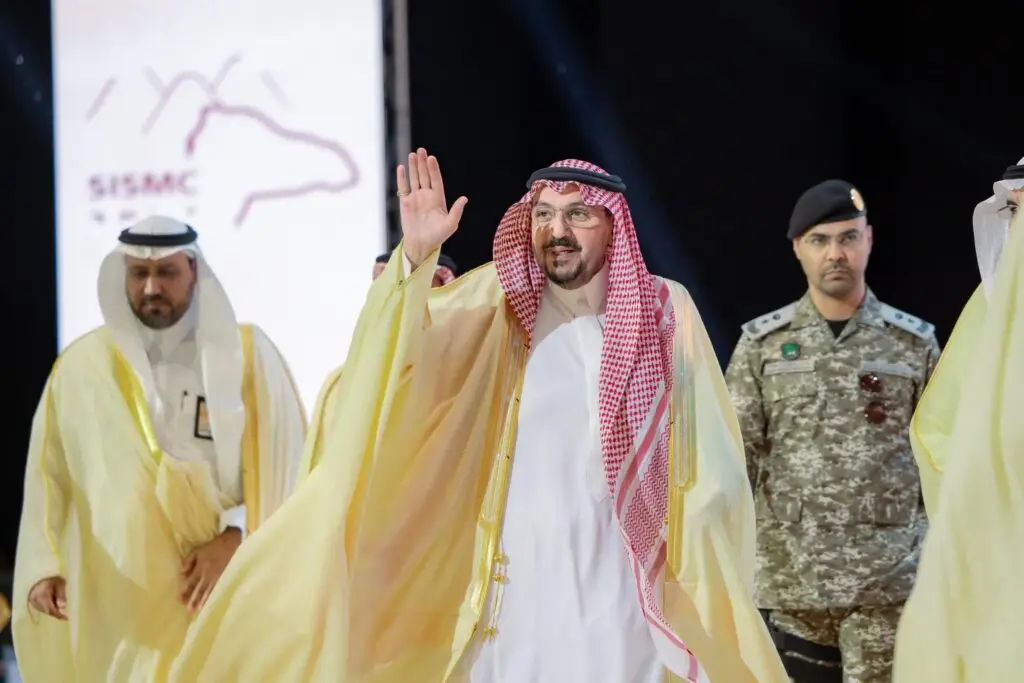
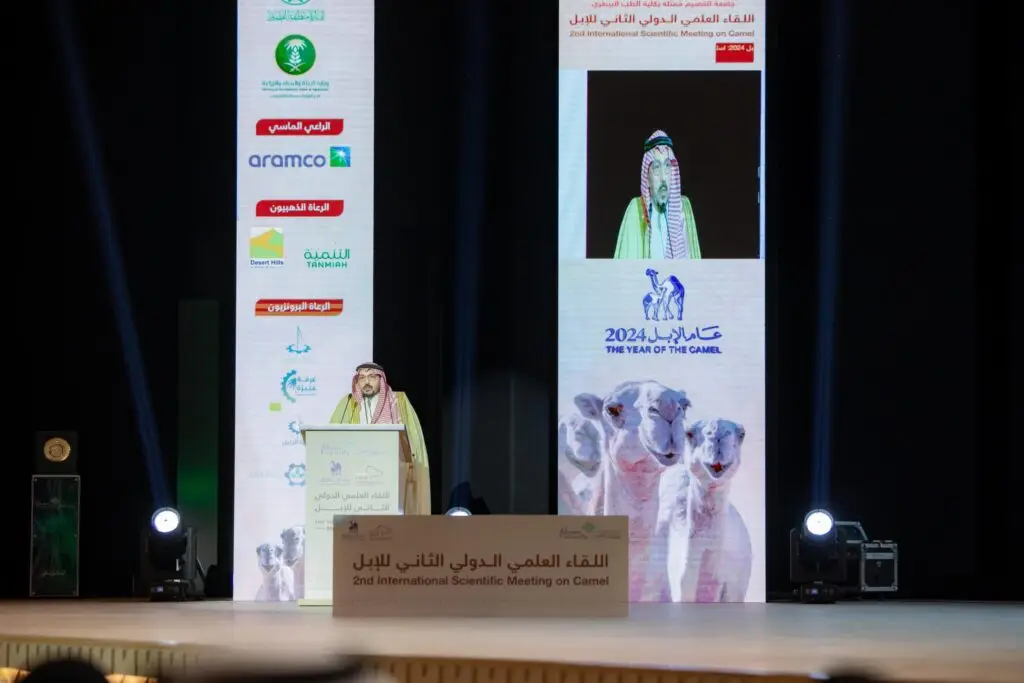
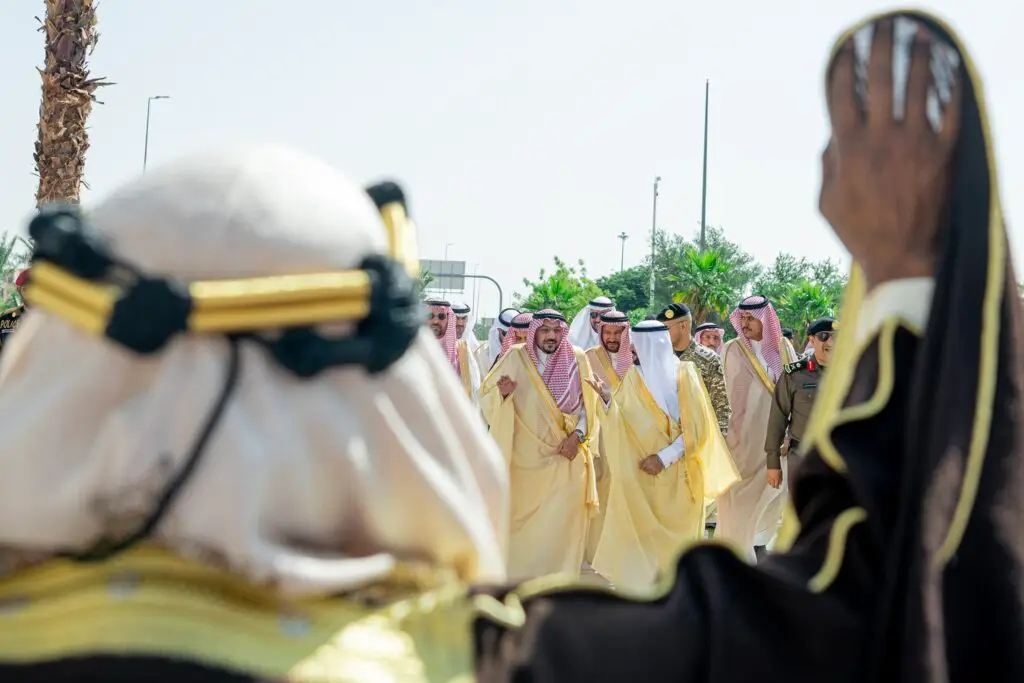
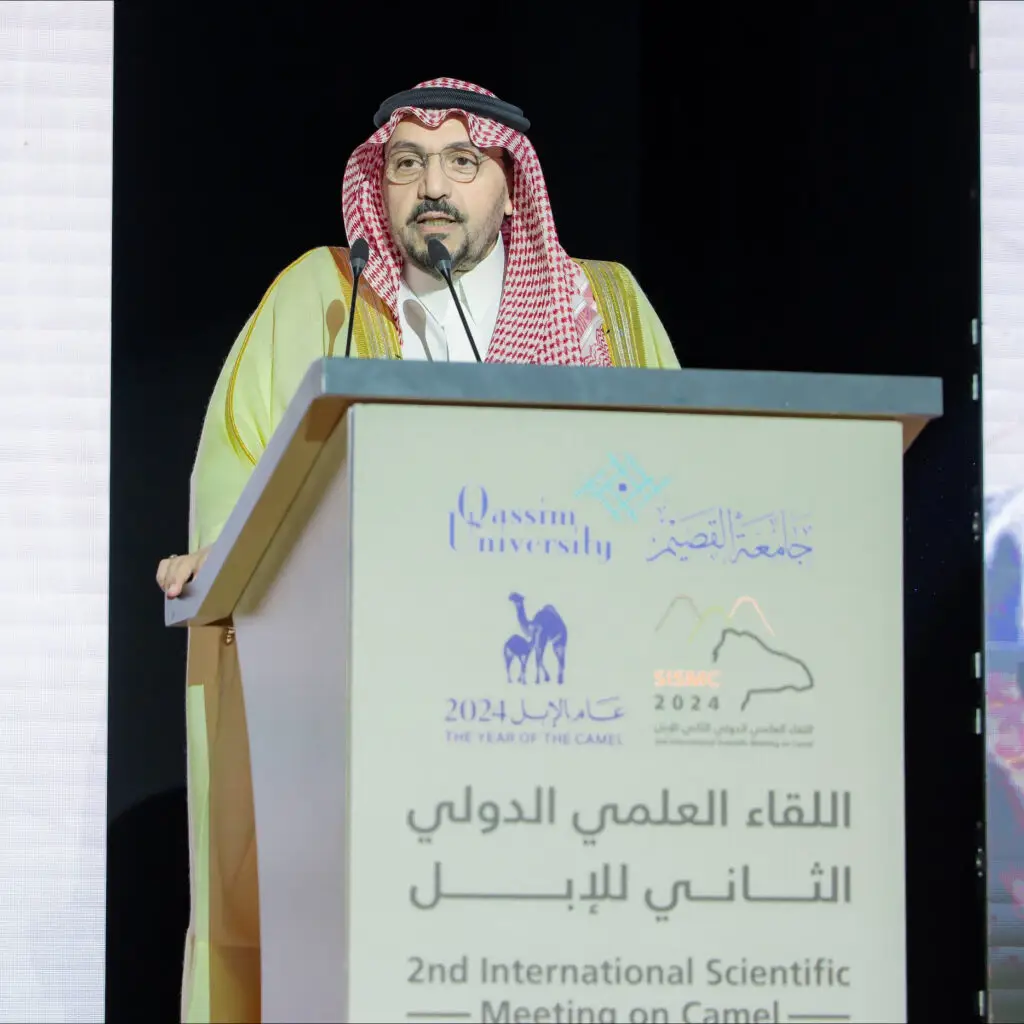
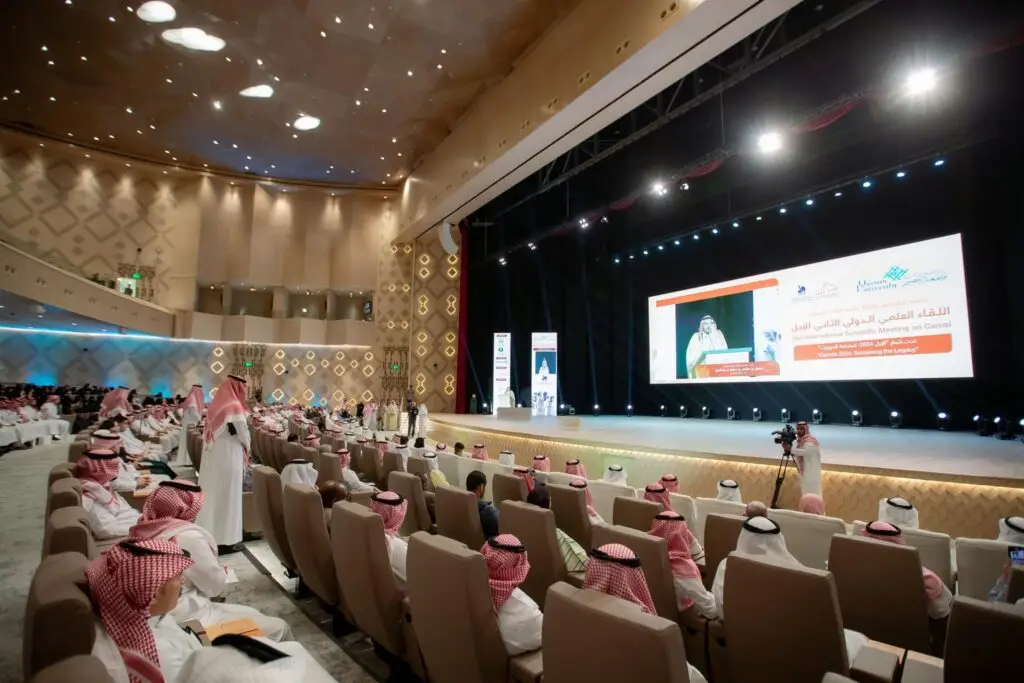
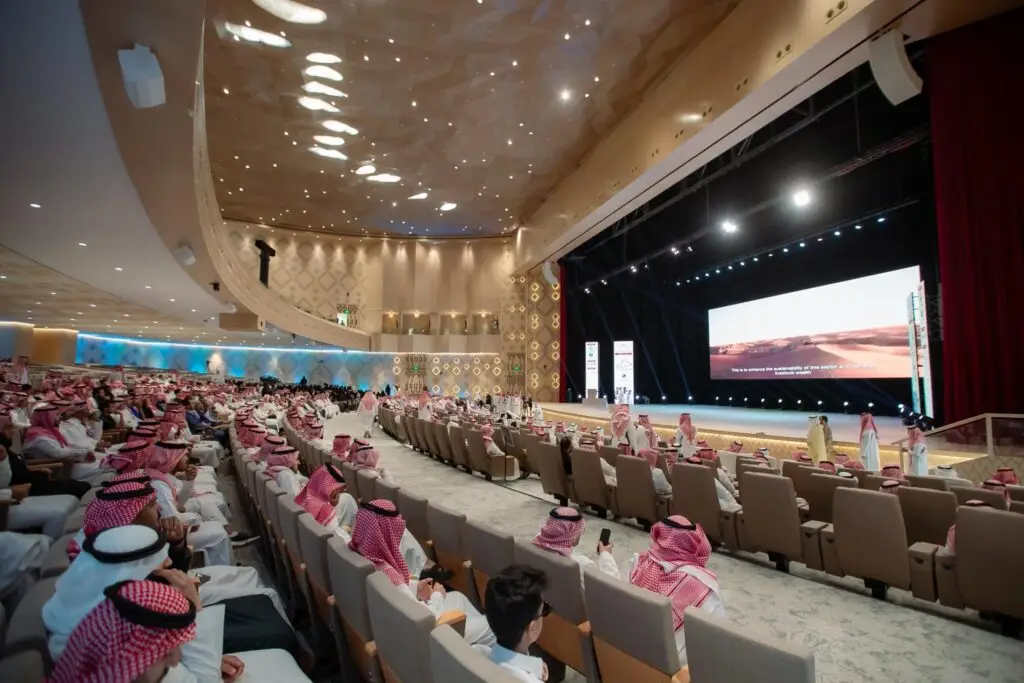
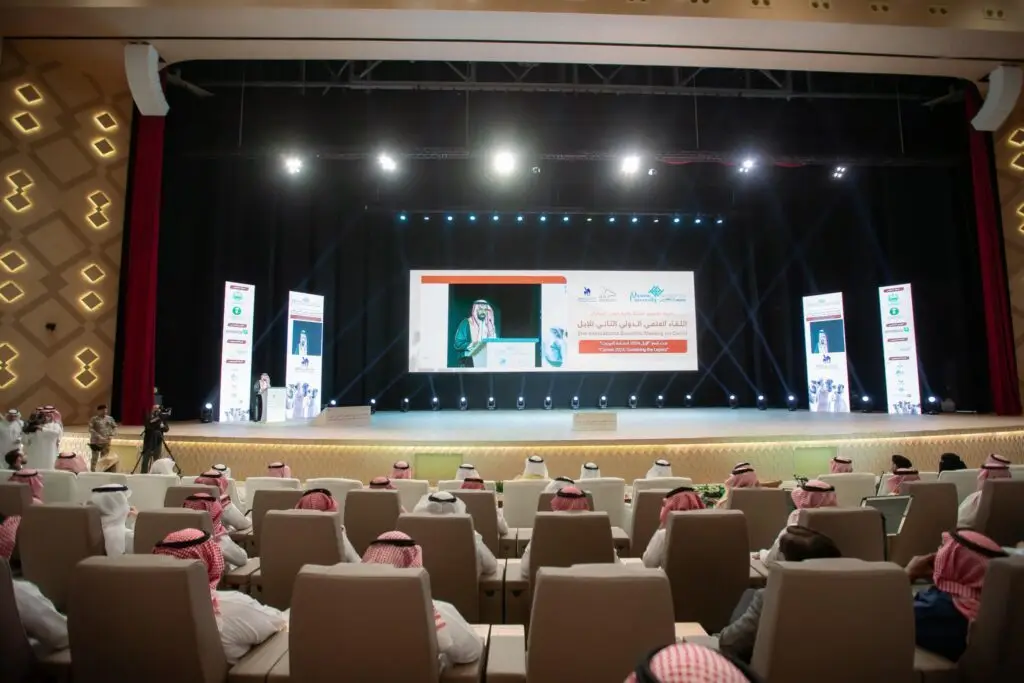
His Royal Highness Prince Dr. Faisal bin Mishaal bin Saud bin Abdulaziz, Governor of Al-Qassim Region, sponsored the «Second International Scientific Camel Meeting» under the theme «Camels 2024: Sustaining the Heritage.» The event, organized by Qassim University, represented by the College of Veterinary Medicine, coincides with the Year of the Camel 2024, in partnership with the Al-Qassim Region Emirate and the branch of the Ministry of Environment, Water, and Agriculture in Al-Qassim. The meeting took place today, Sunday, October 3, 2024, and will continue for two days. The event was attended by His Excellency the President of the University, Professor Dr. Mohammed bin Fahd Al-Sharikh, university vice presidents, heads of government agencies, and featured 20 local and international speakers, along with a selection of camel specialists from 6 countries, at the University City Conference Center.
His Highness then witnessed the ceremony's segments, starting with the recitation of the Holy Quran and the national anthem. He watched a visual presentation about the Kingdom's interest in camels, the university's efforts, and an introduction to the second edition of the conference. The conference aims to highlight the latest scientific and research developments in camel health, diseases, and economics, both locally and internationally. This is to contribute to the development of this important economic resource and support the Kingdom's Vision 2030, as well as to identify the nature and scale of health problems facing investment in the camel sector, and to develop scientific plans and recommendations for their treatment.
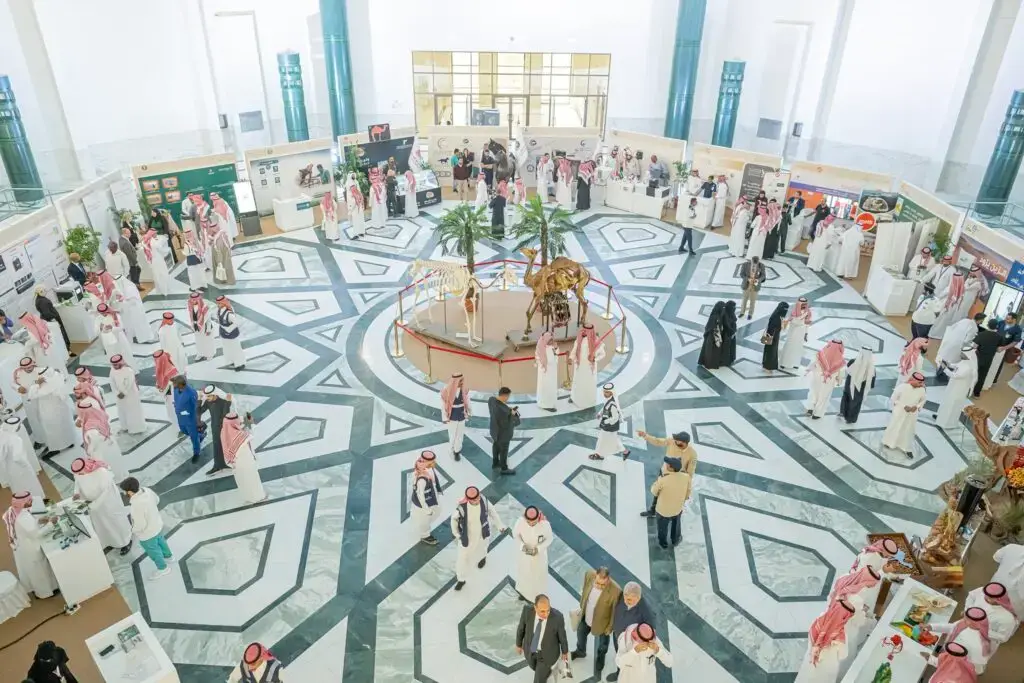
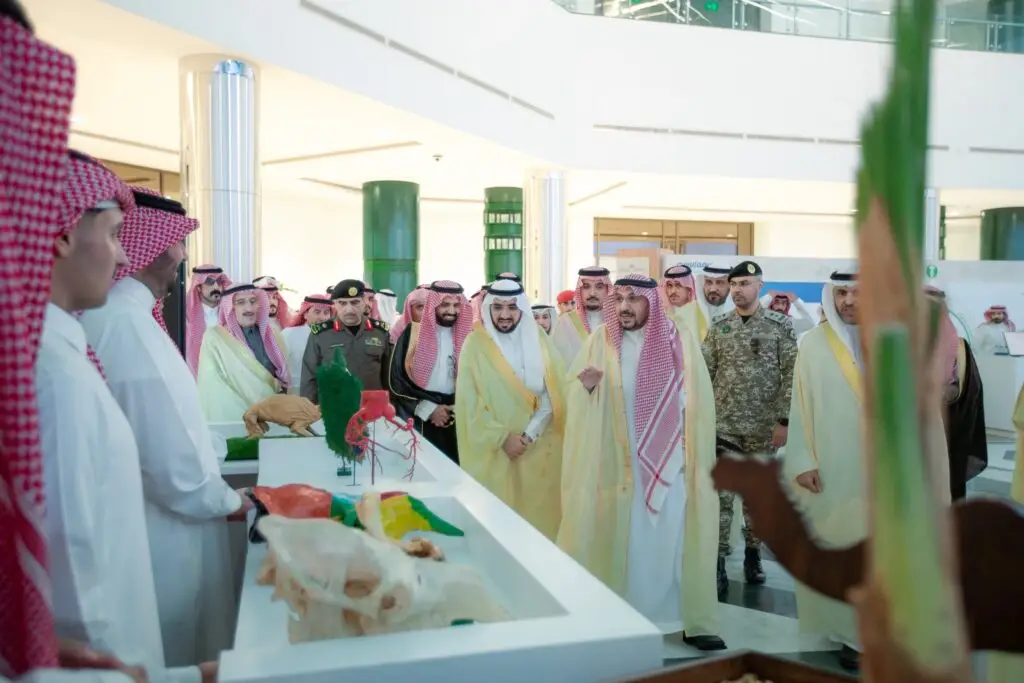
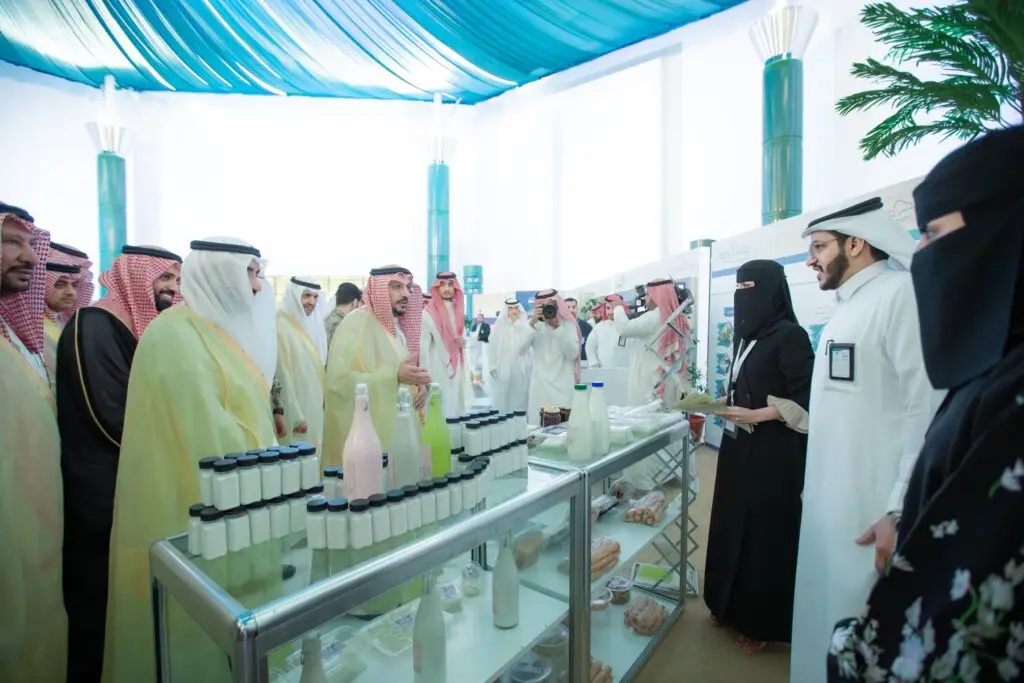
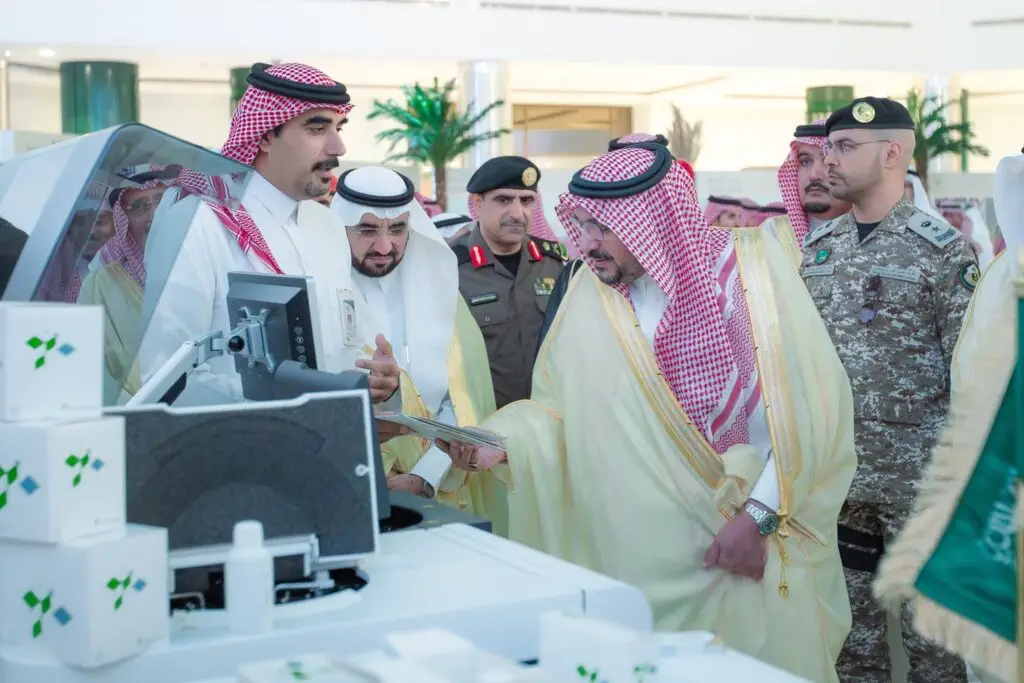
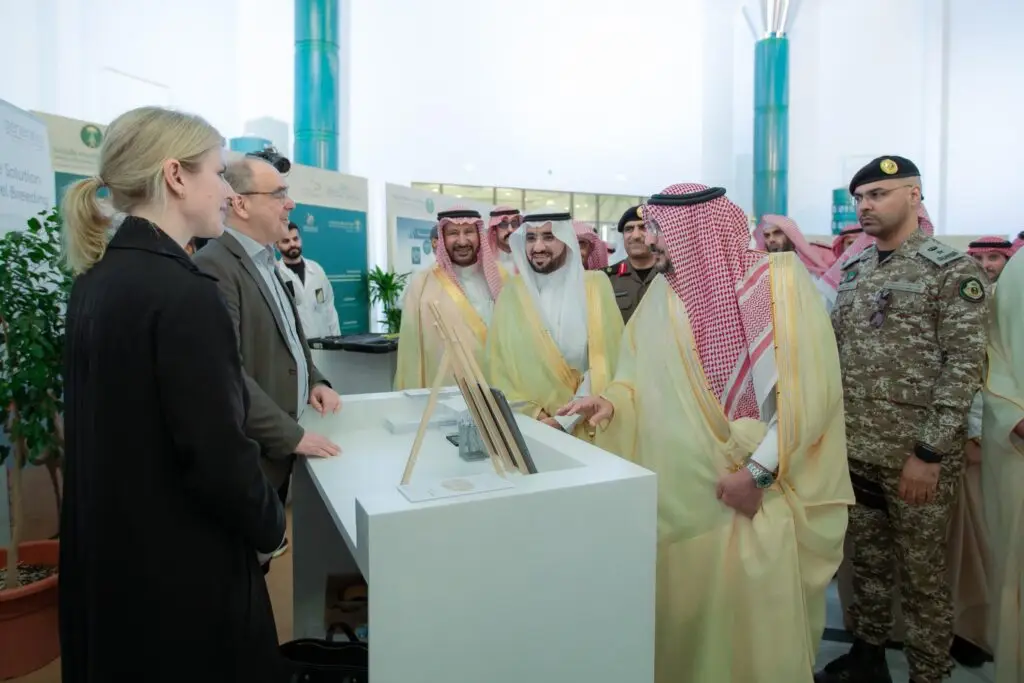
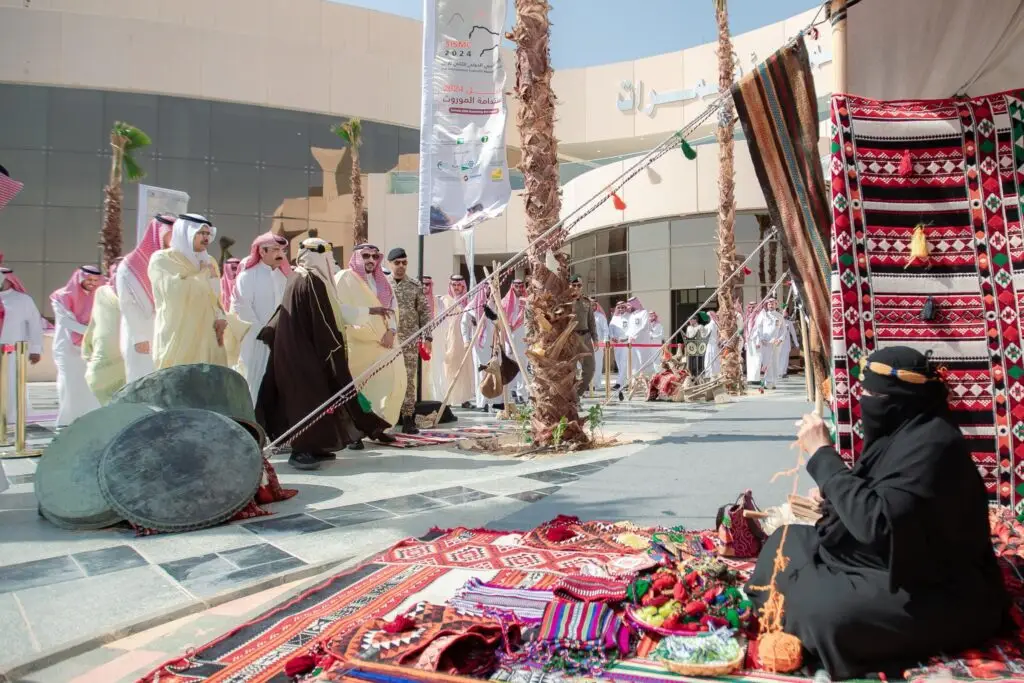
His Highness the Prince of Al-Qassim Region then reviewed the accompanying exhibition, which includes 20 booths. These include: a booth for the College of Veterinary Medicine, the College of Agriculture and Food Sciences, the University Veterinary Hospital, and a number of entities and companies participating in displaying veterinary products and devices, as well as informational brochures in the field of camels and their care. He also toured the scientific poster exhibition, with the participation of 53 scientific posters from faculty members and students interested in this field. At the end of the celebration, His Highness honored the sponsors and organizational partners.
During his patronage of the meeting, His Highness the Prince of the region directed the establishment of a comprehensive scientific center for camel research. This center will be among the first of its kind at Saudi universities, serving as a reliable and specialized scientific reference in the field of camel research. It will focus on studying various aspects related to camels, including environmental, veterinary, and health considerations. Additionally, it will aim to develop camel breeding practices, improve breeds, and mitigate unethical treatment. The center will also provide advanced studies and research that align with the aspirations of the wise leadership and contribute to achieving the Kingdom's Vision 2030, which places significant importance on national heritage and the development of various sectors.
His Highness pointed out that the center will have close cooperation with a number of relevant entities, most notably: the Camel Club and the Ministry of Environment, Water, and Agriculture, with the aim of strengthening national efforts in preserving the cultural and developmental heritage associated with camels, supporting farmers and breeders by providing them with the latest research and technologies, and promoting scientific research in this field; and to be a scientific beacon serving future generations and supporting efforts to develop the camel sector.
His Highness the Governor of Al-Qassim affirmed that the university's launch of a postgraduate program for the detection of camel abuse, and the postgraduate program for the detection of camel abuse, will make this university a pioneer and unique with a scientific center for camel research at the level of Saudi Arabian universities, appreciating the university's efforts to hold this meeting, with which he recalled the past days when he attended the first meeting in 1427 AH, pointing out that its holding was a first-of-its-kind initiative at a time when there was no interest in camel sciences.
His Highness said: I am not surprised by the university, led by Professor Dr. Mohammed bin Fahad Al-Sharikh, and all the colleagues who organized such a meeting as a continuation of past efforts. I ask God Almighty to grant them success in all matters related to camel research and cooperation with all relevant entities, whether at the Camel Club, the Ministry of Environment, Water and Agriculture, or all entities interested in this matter, in a way that serves this heritage, especially in celebration of the Year of the Camel. May they, God willing, be the best support for all those interested in camel affairs.
For his part, His Excellency the Dean of the College of Veterinary Medicine, Dr. Yousef Al-Saadi, Chairman of the Organizing Committee, affirmed that the organization of this meeting comes within a series of scientific initiatives and activities at the university, stemming from its noble mission and strategic goals towards enhancing research and development, exchanging knowledge among researchers, stimulating innovation, and building scientific networks between various researchers and scientific institutions, thereby strengthening its contribution to the scientific community locally and internationally.
He added: "Today, in the sessions of this meeting, we are highlighting camels as an important legacy that appeals to the conscience, for the sake of development and advancement, understanding what is new and unique, and coming up with recommendations that contribute to the development of this field for the benefit of humanity, in response to the directives of our wise leadership, may God support them, and in light of the unlimited national support from the guardians, may God protect and care for them, and in contribution to national development, coinciding with the Year of the Camel 2024.".
Al-Sa'adi explained that this meeting, which includes a selection of scholars, experts, and workers in the field of camels, with whom we gather to discuss and study through 20 speakers and 53 scientific posters. This meeting also covers 6 main objectives and axes for the most important economic and social challenges facing the camel sector, distributed over eight scientific sessions during two days, to discuss recent developments in diagnosing camel diseases, detecting tampering with them, modern technologies in camel reproduction, international, clinical, and surgical interventions in camels, as well as the technology for manufacturing camel products and their safety, camel breeding and care, and the social and economic challenges they face.
He added: "Among the most prominent achievements of this meeting is the announcement of a postgraduate program concerned with detecting the abuse and fraud of camels. It also includes a specialized scientific center for detecting the manifestations of camel abuse and fraud. This center will contribute to graduating and qualifying specialists to expose the wrong practices to which this important heritage is subjected, and it will play a role in education and awareness in combating this abuse. He stressed that this program and this center are unique achievements that distinguish the university internationally, as it is the first university ever to launch an academic program and a specialized scientific center dedicated to combating camel abuse and fraud, given their important economic and developmental dimensions.".
As “Al-Sa'idi” offered thanks and appreciation to His Highness the Prince of the region for his support and patronage of this forum, which comes under his guidance. He also offered thanks to His Excellency the President of the University for his support and follow-up, and to the university's vice-presidents and all its departments, the organizing and scientific committees, the organization partners, and the sponsors, asking God Almighty that this forum achieve its goals and aspirations.
The aim of this meeting is to crystallize a modern and future-oriented plan to increase camel productivity by identifying the latest research in the fields of treating infertility problems, genetic improvement, camel nutrition, product manufacturing, and safety. This includes learning about research findings on the benefits of camels and their products, and the potential use of camels in diagnosing and treating human diseases. Additionally, the meeting will review the economic and social aspects of camels, highlight their role as popular and national heritage, and feature various exhibitions for companies and entities related to camel needs and products.


