 Official government website of the Government of the Kingdom of Saudi Arabia




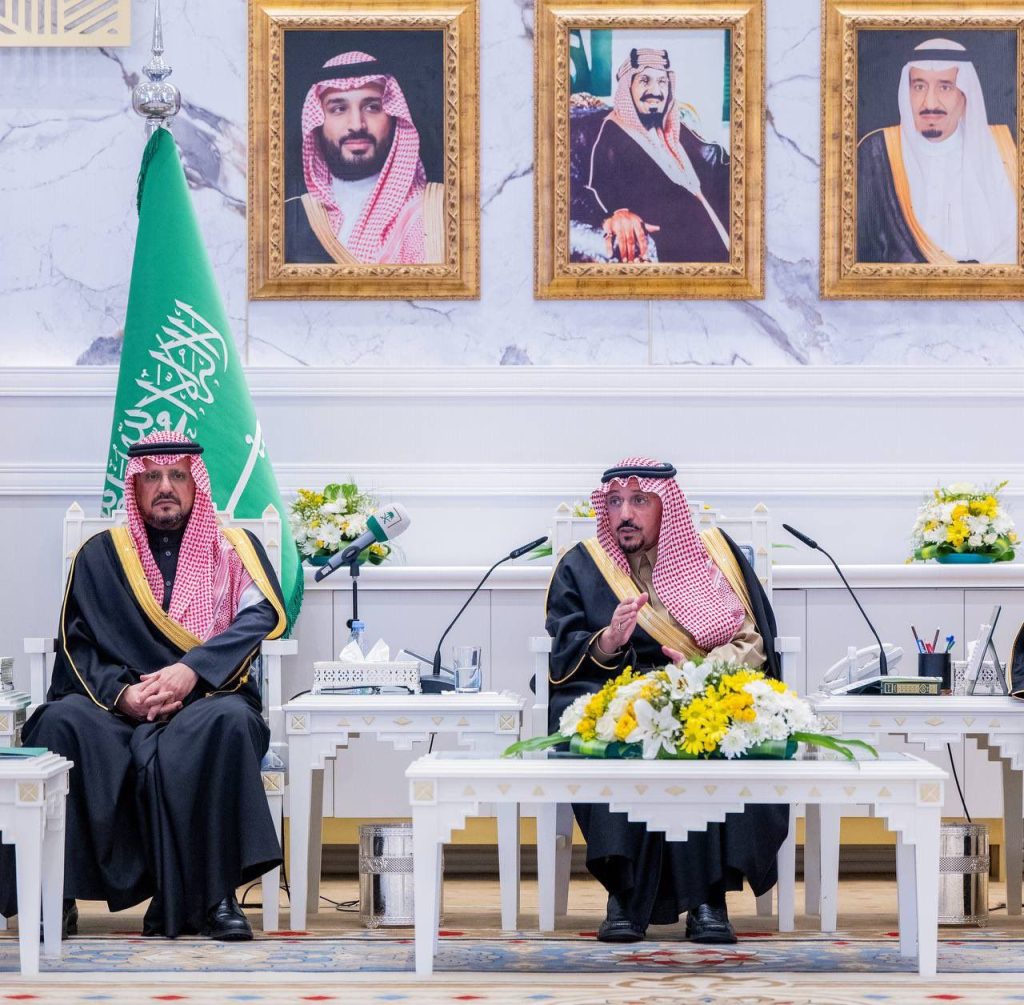
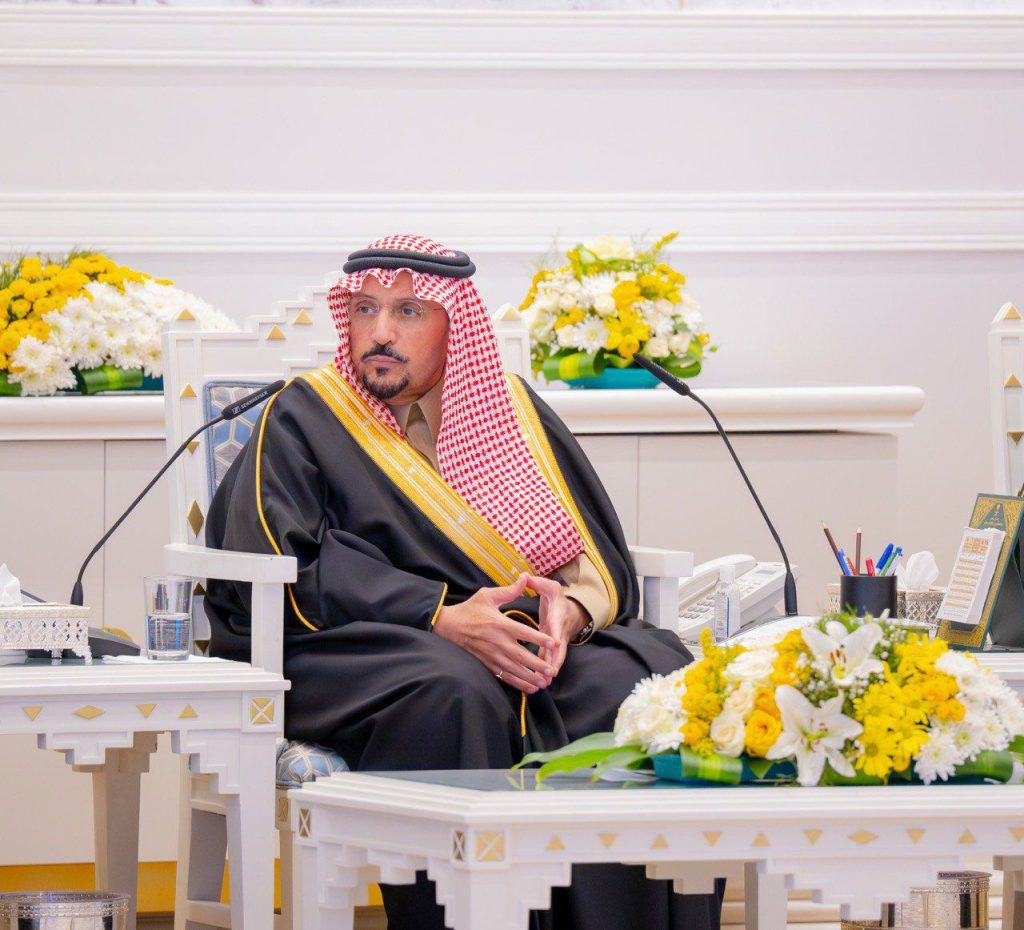
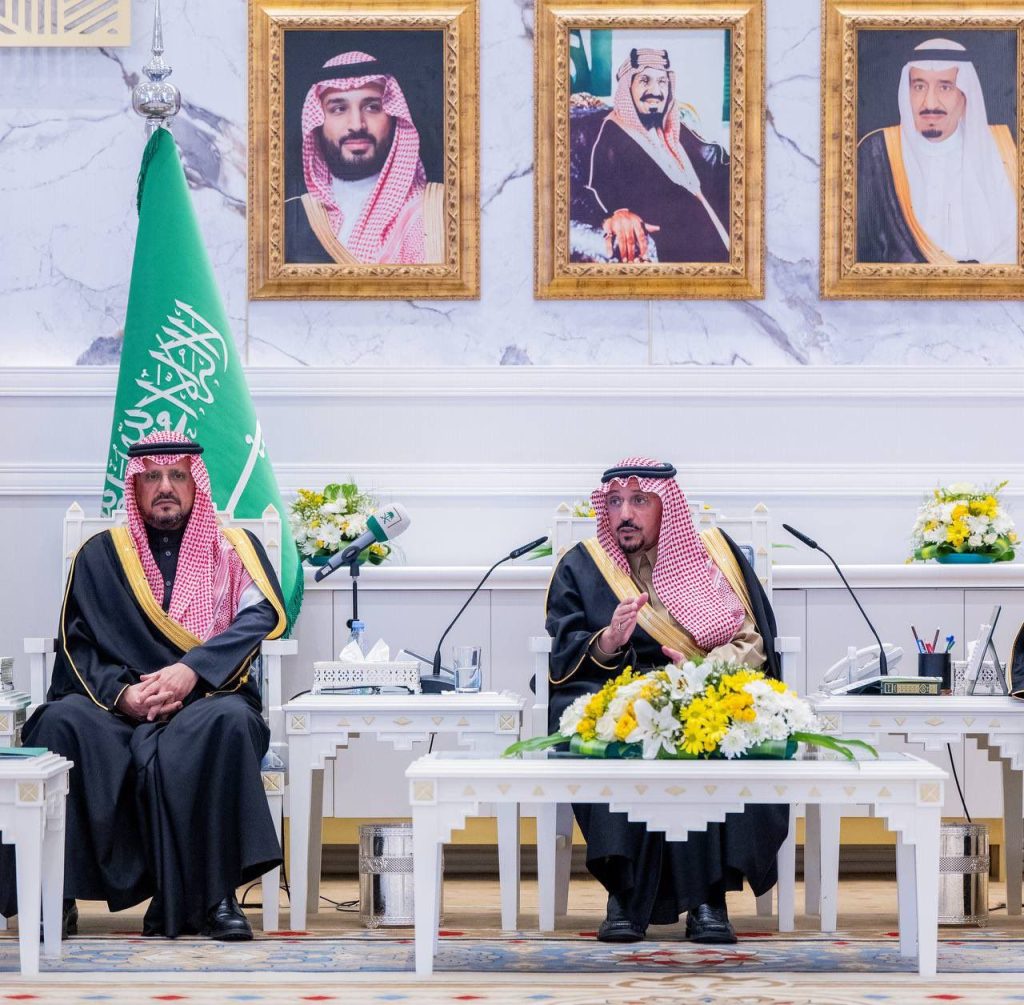
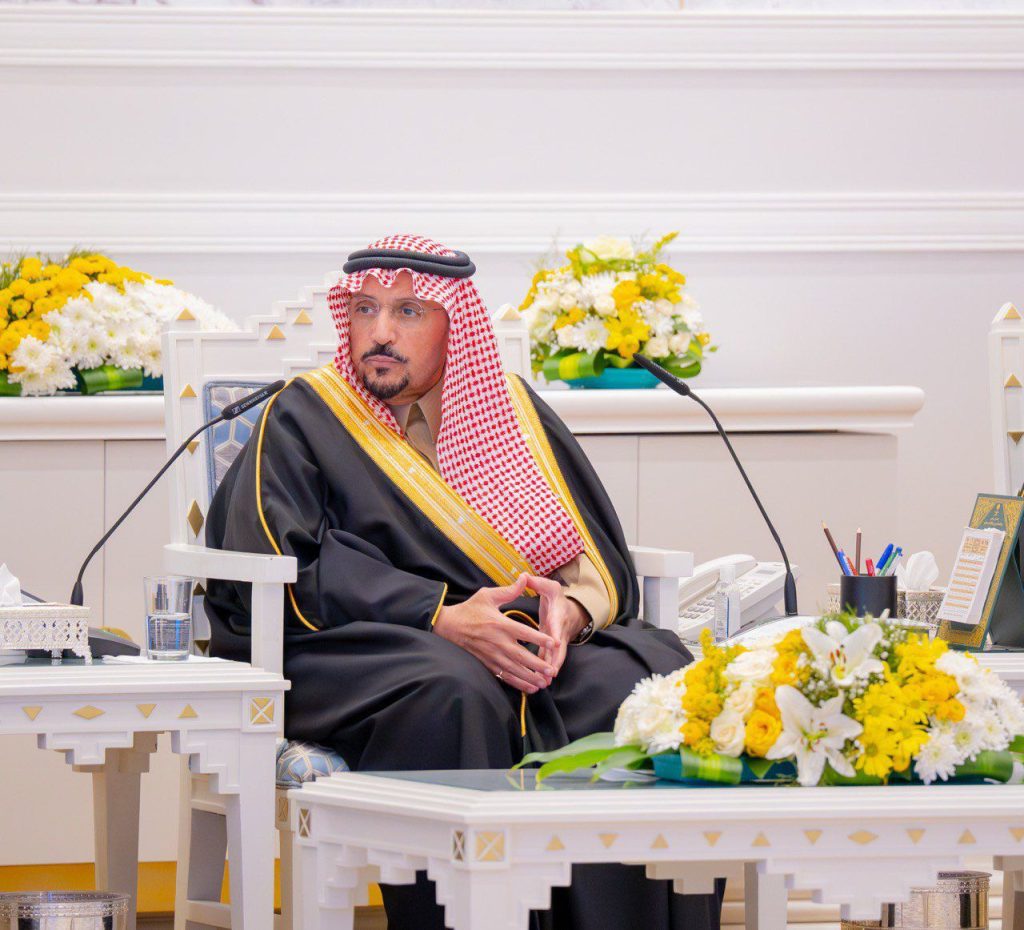
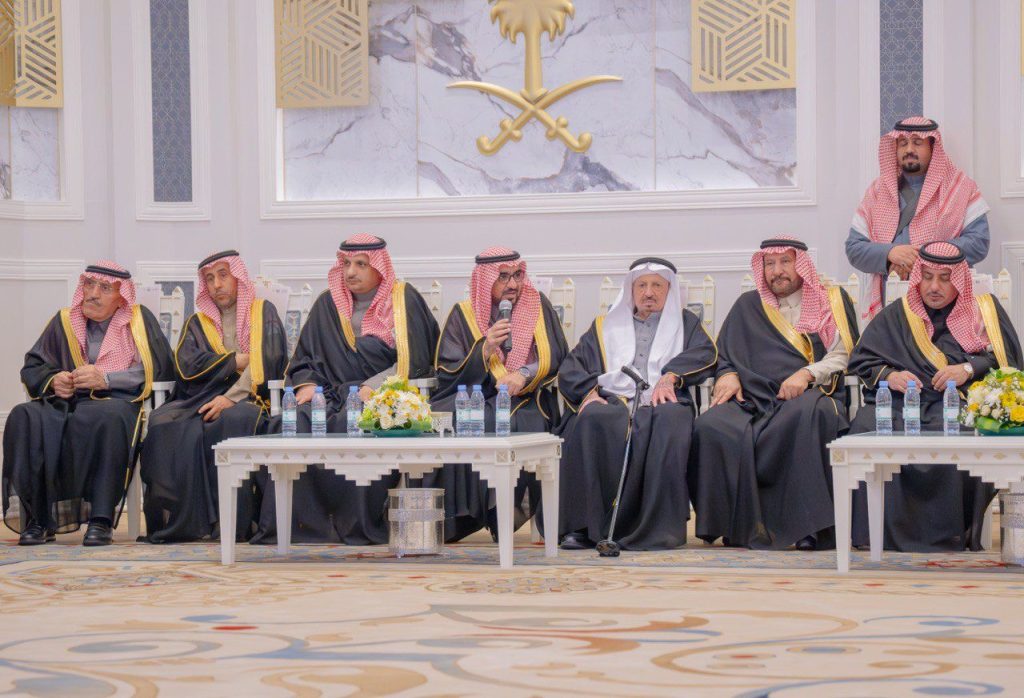
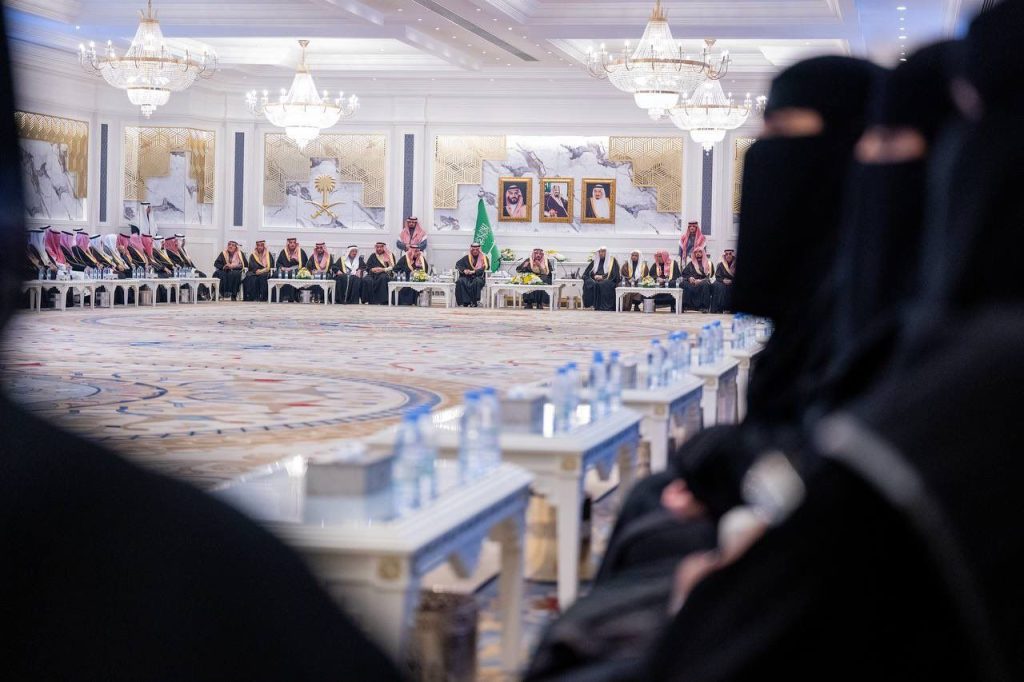
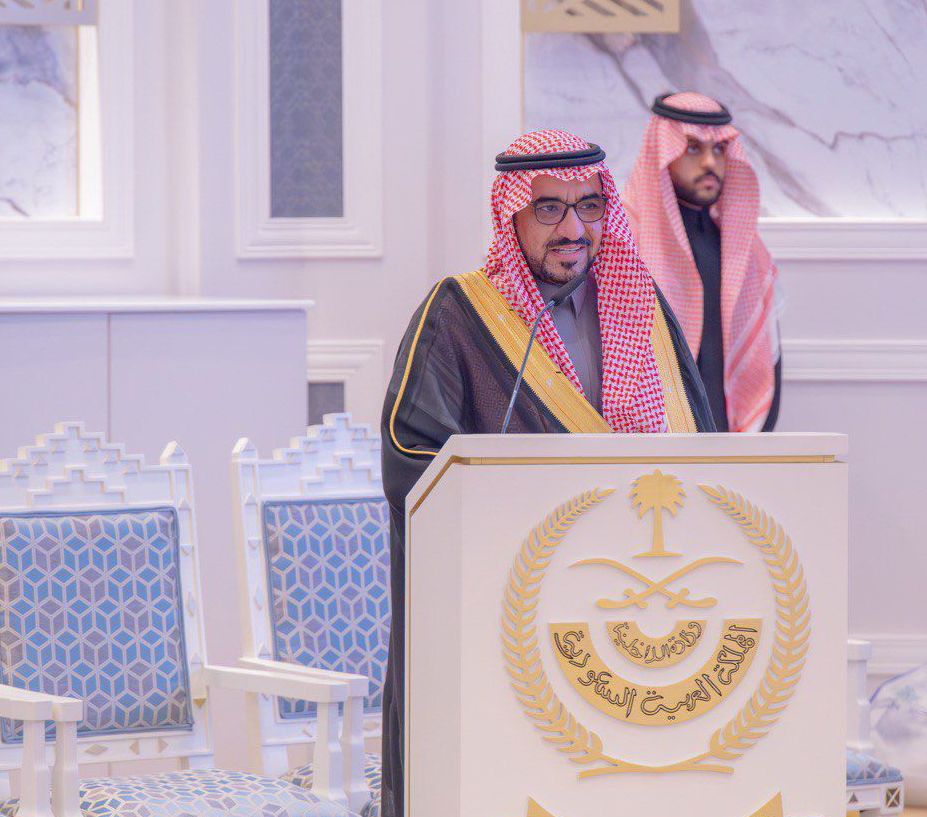
His Royal Highness Prince Dr. Faisal bin Meshal bin Saud bin Abdulaziz, Governor of Qassim, stressed that the labor market is the real guide for educational specializations, pointing out that the lack of alignment of some specializations with market needs may limit the chances of employing graduates.
His Highness explained the importance of focusing education and training outputs on the actual labor market requirements, ensuring the preparation of cadres capable of quickly integrating into the work environment, stressing that the state attaches great importance to applied colleges for their role in bridging the gap between education and professional needs.
His Highness explained that there is a fundamental difference between a job and a profession; a job has a limited role with tasks, while a profession is based on professionalism, specialization and skill, pointing out that applied education represents an important path to build real professions that correspond to the requirements of development and the labor market.
HH the Emir of Qassim praised
The university's efforts to develop the college's applied programs and enhance their integration with various sectors, in line with the objectives of Saudi Vision 2030 in building a sustainable knowledge and skills economy.
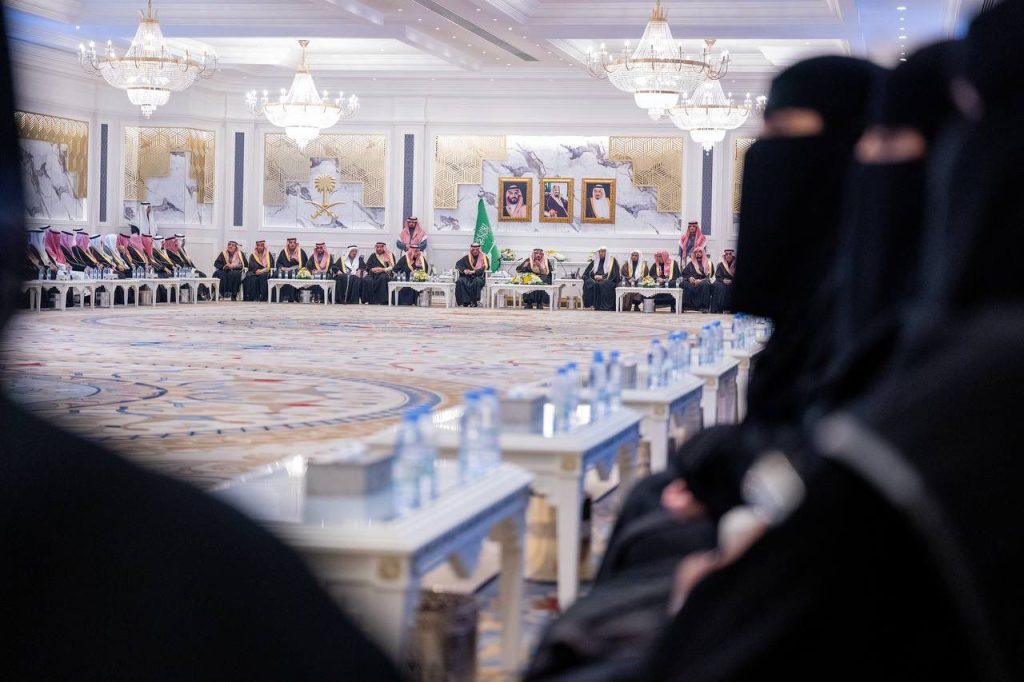
His Highness the Emir of Qassim Region was briefed today on the experience of the University's Applied College and its programs, in the presence of His Highness Prince Fahd bin Saad bin Faisal bin Saad, Deputy Emir of Qassim Region, and a number of officials.
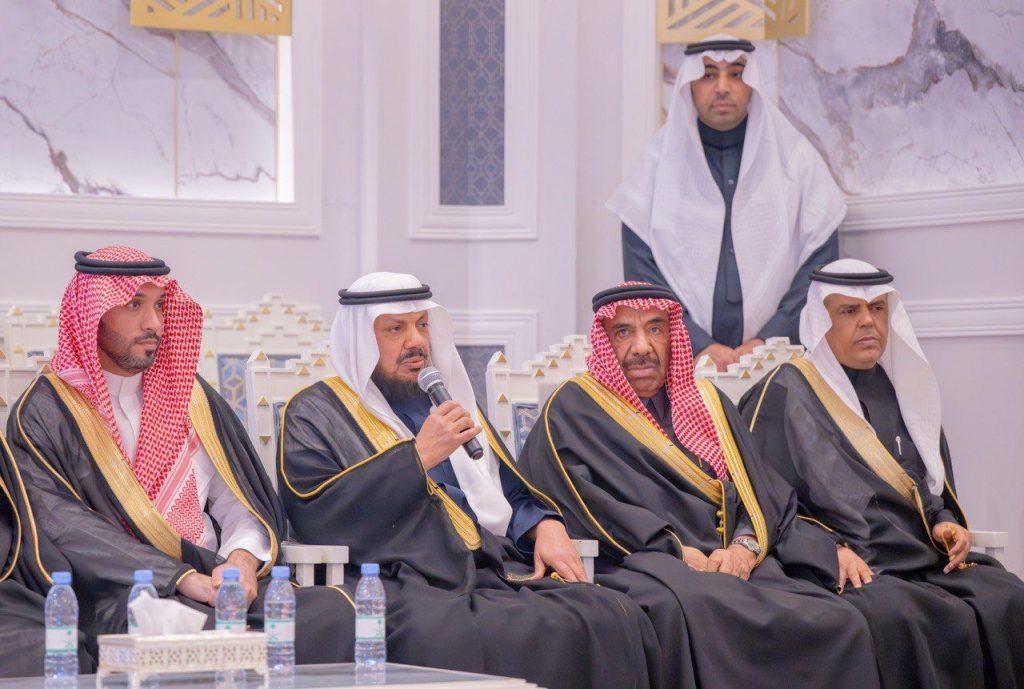
His Excellency the President of the University, Prof. Dr. Muhammad bin Fahad Al-Sharekh, spoke during the meeting about the establishment of the Applied College and the regulations governing its work, explaining that the establishment of applied colleges came in response to the decisions of the Council of University Affairs in converting a number of theoretical colleges in the Kingdom, and within the transformations witnessed by the higher education sector, stressing that the university was keen to continue offering its programs at its headquarters in the governorates within its new structure, to offer more than (22) applied programs in (10) branches at the university's headquarters and a number of headquarters in the governorates of the region, reflecting the commitment to expand opportunities for applied education by the university
For his part, the UQU Vice President for Educational Affairs, Dr. Fahad Al-Ahmad, pointed out the great diversity of the programs of the Applied College and its various opportunities that provide students with multiple educational and professional tracks, all designed according to the needs of the labor market and the Saudi classification of professions, and linked to field training and practical qualification. He also highlighted the most important difficulties facing the Applied College and their implications on the continuity of students in it, stressing the university's keenness to strengthen the college programs and their integration with bachelor programs, enabling students to move between educational tracks smoothly, expand their learning horizons, and enhance their professional opportunities.
In the same context, the CEO of the Applied College at Qassim University, Dr. Mohammed Al-Arini, reviewed the college's efforts in aligning professional certificates with educational programs, stressing that this integration contributes to preparing qualified national competencies for the labor market. He pointed out that the college enables its students to obtain professional certificates accredited by more than (500) local and international academic and training entities, in addition to cooperation with international professional centers that offer accredited tests and courses in various technical and professional fields.
He pointed out that the college implements a number of applied courses that contribute to enhancing students' skills, serving the community, and raising the efficiency of human capital, in addition to concluding more than (20) professional partnerships with government and private entities to support the educational and professional path of students and raise their readiness for the labor market.
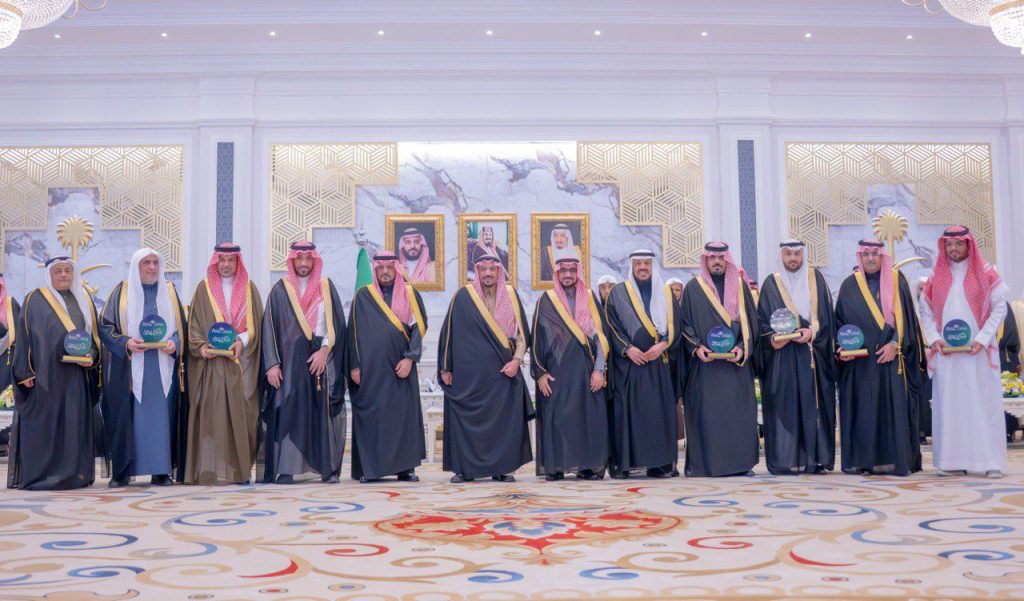
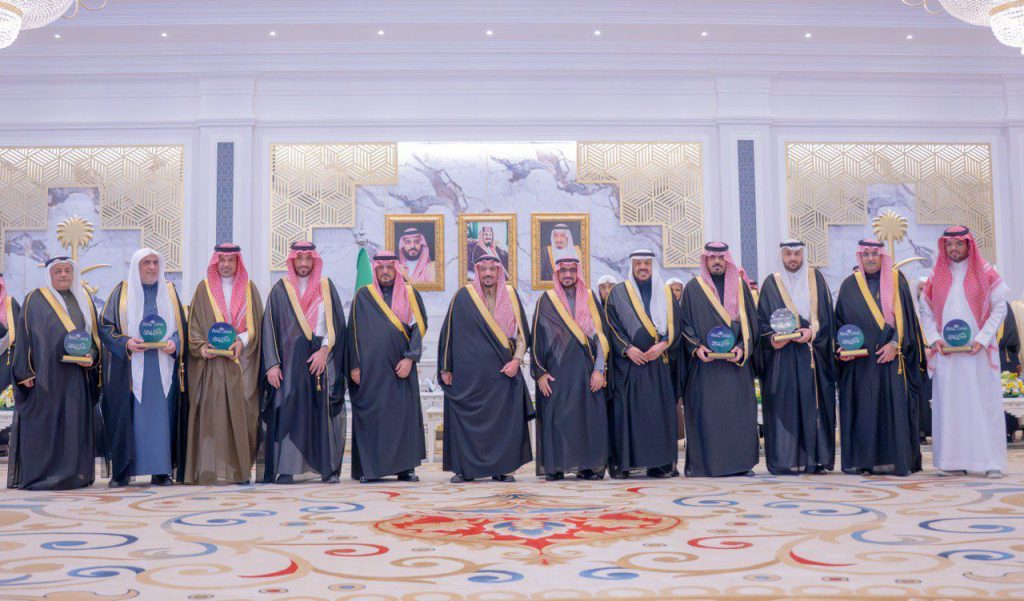
His Highness also honored the members of the Standing Committee for Supervision and Partnership and the members of the Executive Board of the Applied College at the university in recognition of their efforts in achieving the objectives of the college's programs.
