 Official government website of the Government of the Kingdom of Saudi Arabia




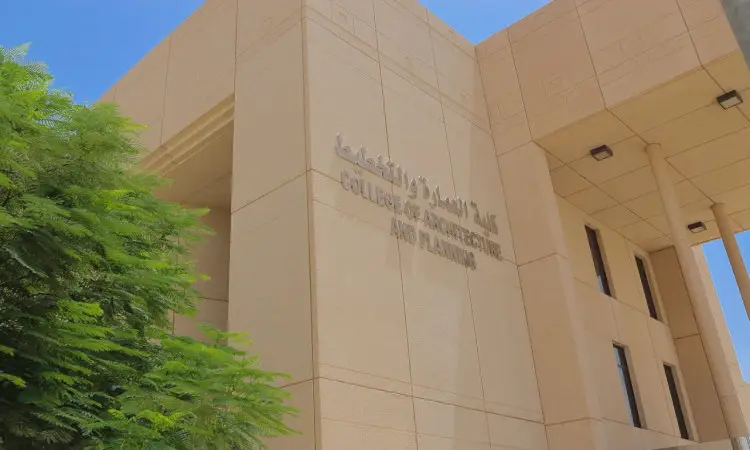
The College of Architecture and Planning is preparing to launch an external summer training program for architecture students in Dickson, Malaysia. The 8-week program will involve 13 undergraduate students, supervised by the renowned Malaysian architect, Azman Mohamad. The program will focus on applying the design-build method for architectural projects, aiming to provide a suitable learning environment and expose students to the latest methods and techniques in architectural design and execution, as well as the materials and environmental and structural sciences used.
The program will also include training on architectural practice, which will be taught and explained thoroughly for each stage and level in a comprehensive manner through the "Studio," an architectural workshop that enables students to grasp the architectural design process by zooming in on the big picture and seeing the organizational complexities of these details.
For his part, the supervisor of the external training, Dr. Ahmed bin Ali bin Da'jam, the Vice Dean of the College of Architecture and Planning, stated that by the end of this program, the participating students will gain the ability to respond, interact, and formulate architectural programs for any site, in addition to maximizing the role of scientific research and rooting it through a belief in the importance of benefiting from previous designs and studies.
"Bin Du'ajam" added that research has become an integral part of the design process and is fundamental to this type of participation, in addition to applying design strategies suitable for the built and surrounding environment, understanding most of the architectural design issues, and exploring and formulating the relationship between building materials and the environment. He pointed out that students' application of all of the above will enable them to gain a comprehensive vision of the architectural design process through real, professional field work to develop their ability to communicate their ideas verbally and graphically through drawings, models, digital media, and writing.
"Bin Dujam" pointed out that the support the college receives from the university administration for such qualitative programs would raise the college's level and outcomes, help students compete and advance in the job market, and contribute to achieving the Kingdom's vision of 2030 by preparing a promising generation that contributes to driving development with professionalism and capability.
