 Official government website of the Government of the Kingdom of Saudi Arabia




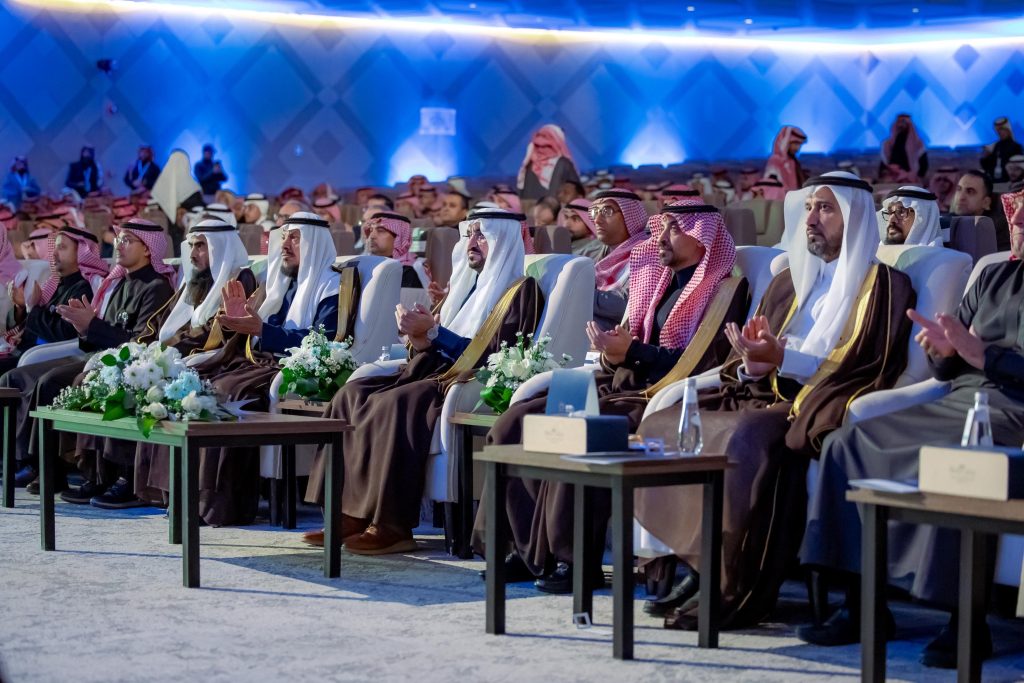
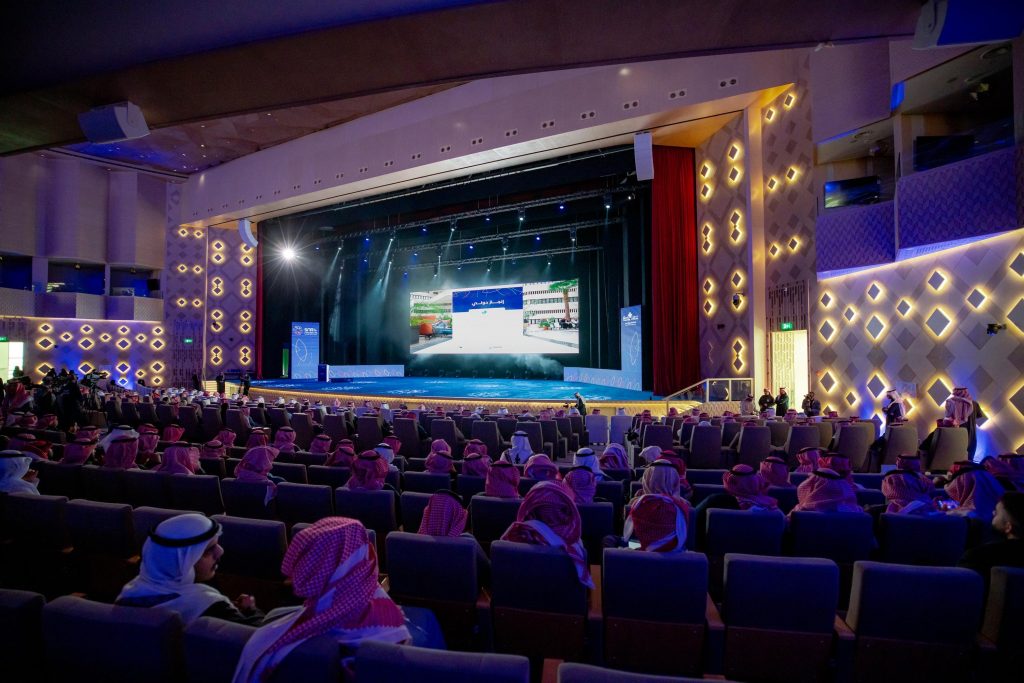
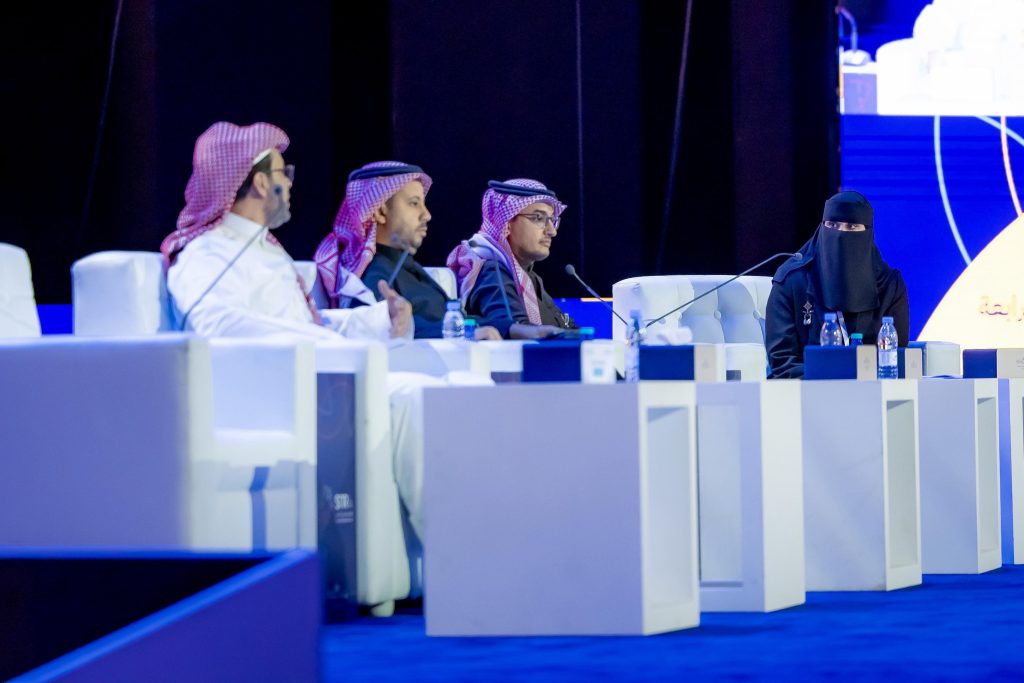
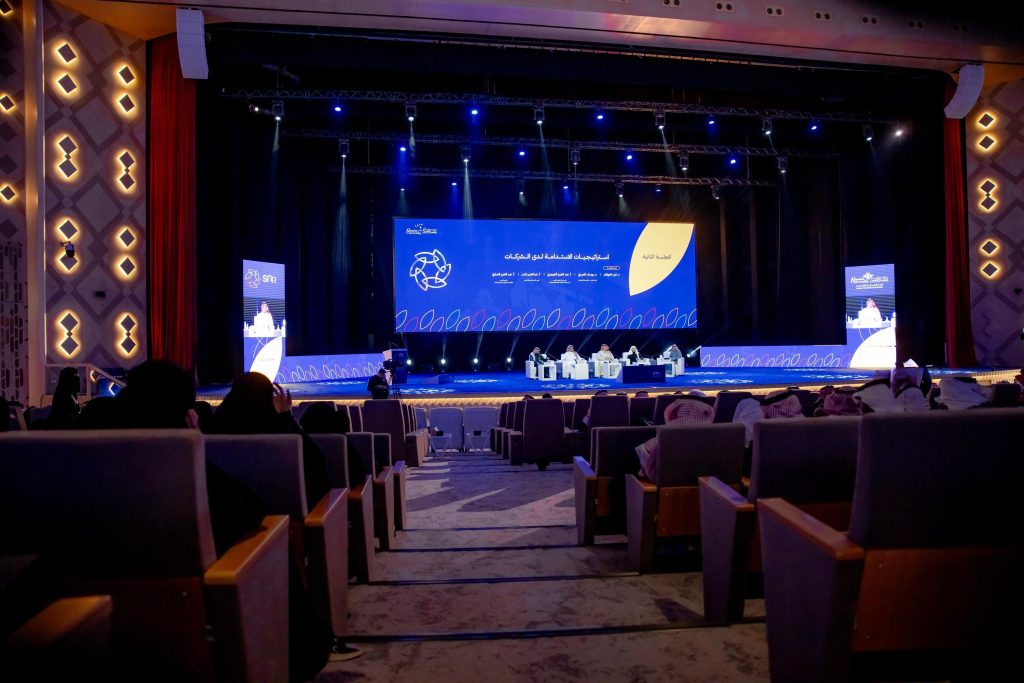
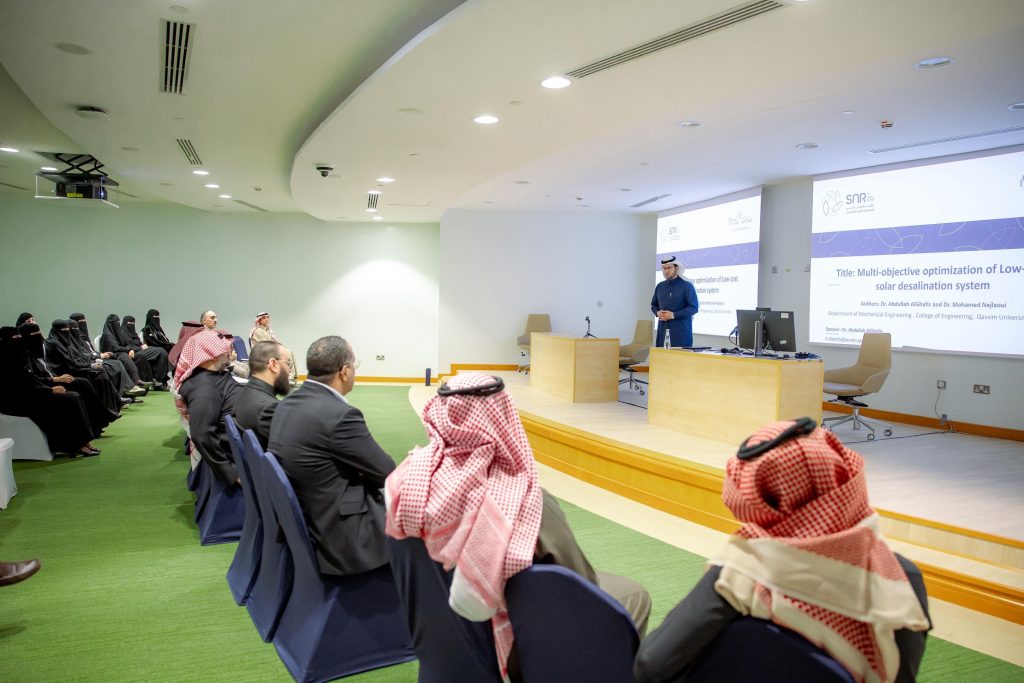
Under the patronage of His Royal Highness Prince Dr. Faisal bin Meshal bin Saud bin Abdulaziz, Emir of Qassim, the university concluded the two-day "Second International Conference on Sustainability of Natural Resources," which was held at the King Abdulaziz Conference Center in the university city, with the participation of 39 speakers from academics, researchers and experts from inside and outside the Kingdom.
The conference witnessed the organization of 11 scientific and dialogue sessions, which discussed pivotal issues in the sustainability of natural resources, including the circular and green economy, spending efficiency, rationalization of resource consumption, innovation and technology, and the role of artificial intelligence in supporting sustainable development, in addition to reviewing local and international experiences and exchanging experiences between academic, governmental and private sectors.
The scientific sessions addressed 5 specialized tracks, focusing on Saudi Vision 2030 and sustainable development goals, environmental sustainability, renewable energy, agriculture and water, health and well-being, in addition to the legal and ethical dimensions of rational consumption, and concluded with a number of recommendations, proposed policies and a future roadmap to enhance resource efficiency and achieve sustainable development.
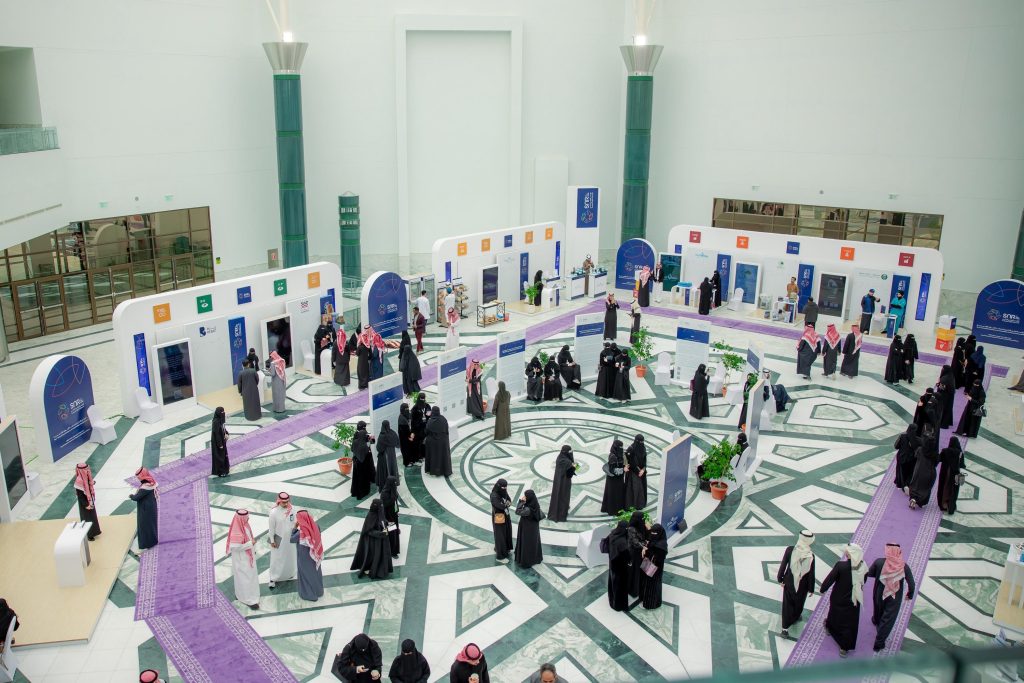
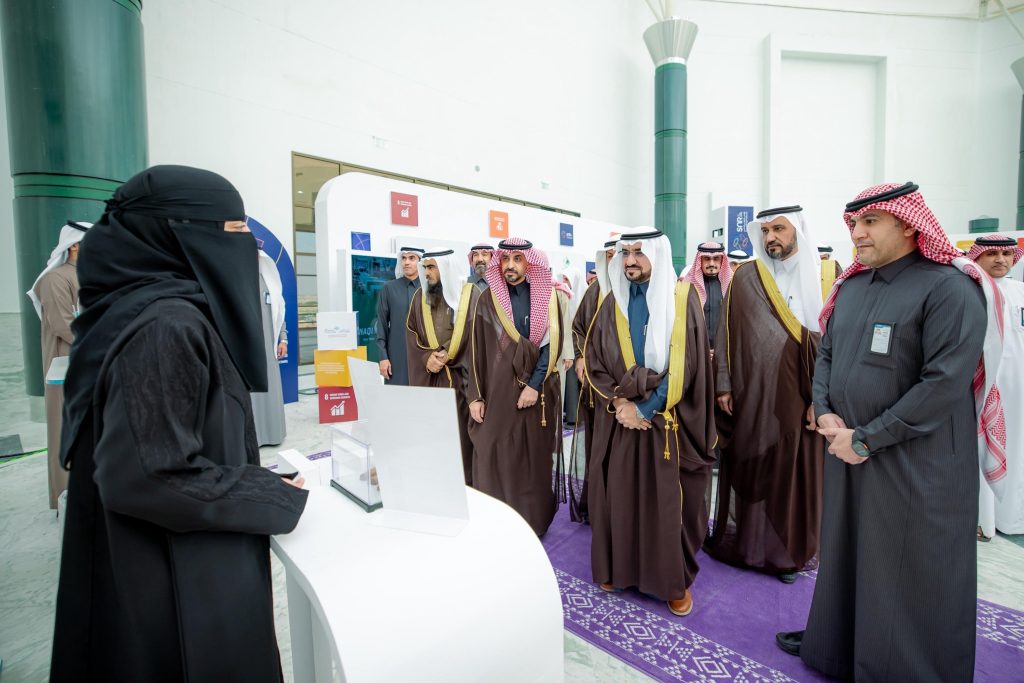
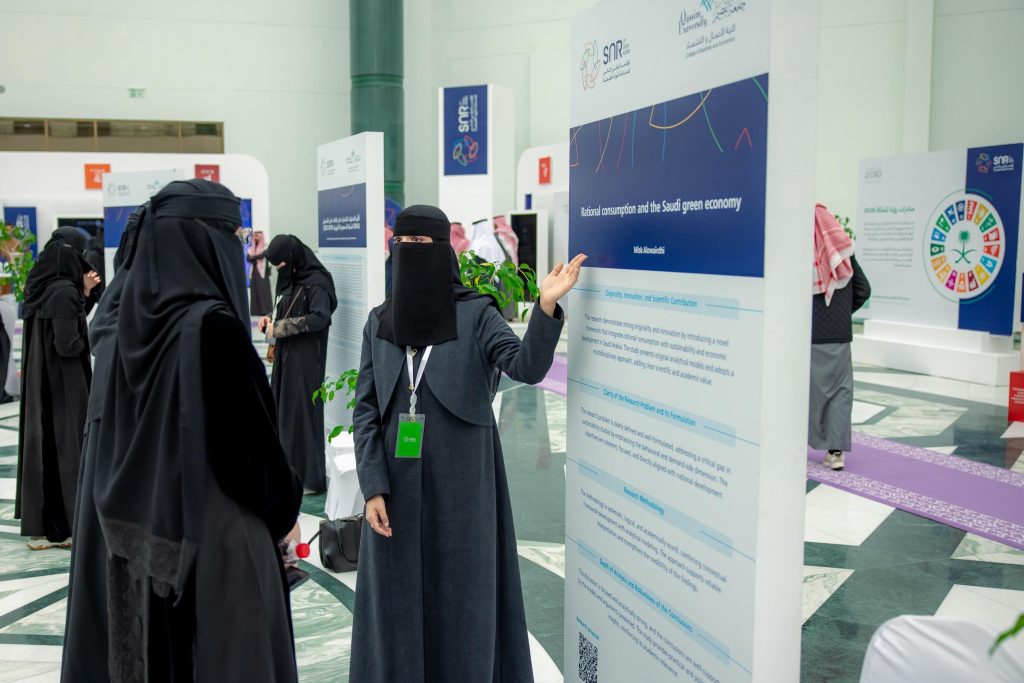
The conference included an accompanying exhibition in which a number of governmental, private and non-profit organizations participated, in addition to the presentation of research posters by university students, which reflected a distinguished level of scientific production, innovative ideas and economic solutions that support the sustainability of natural resources.
This conference emphasizes Qassim University's scientific and societal role in supporting constructive dialogue on sustainability issues, promoting applied scientific research, building effective partnerships that contribute to achieving the goals of sustainable development, and consolidating the culture of rational consumption and spending efficiency at the local and international levels.
