 Official government website of the Government of the Kingdom of Saudi Arabia




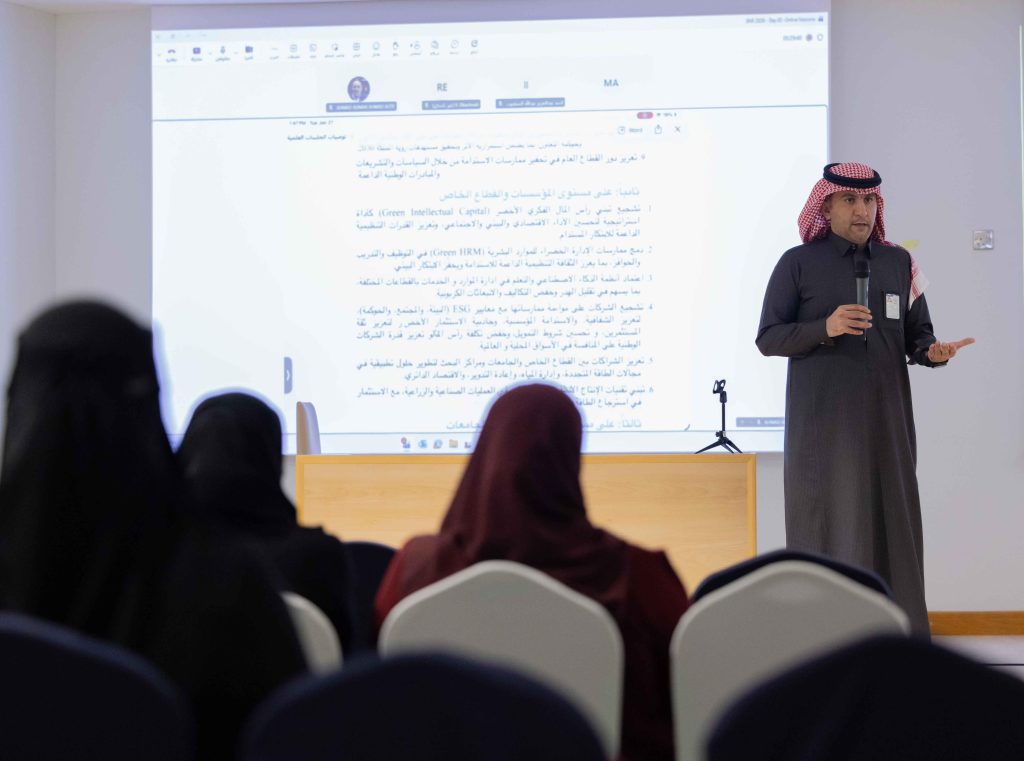
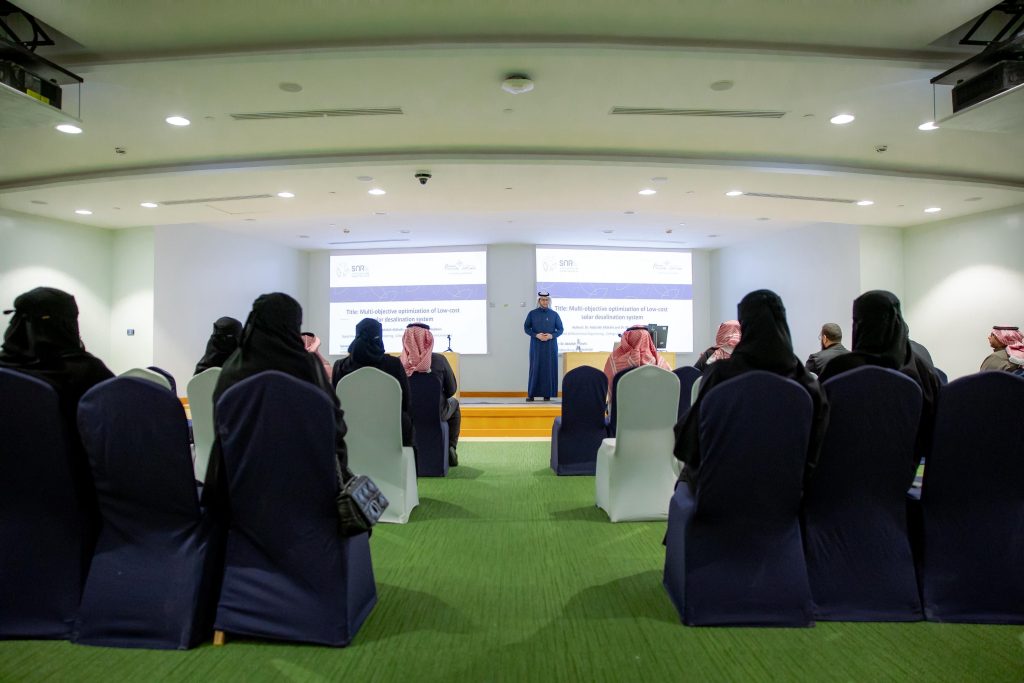
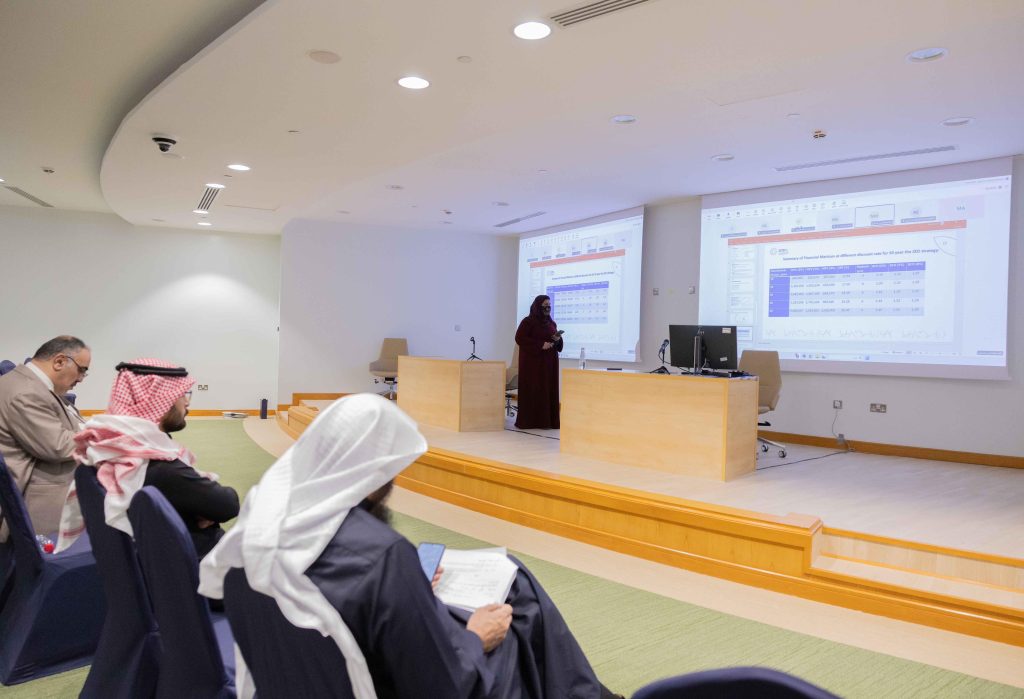
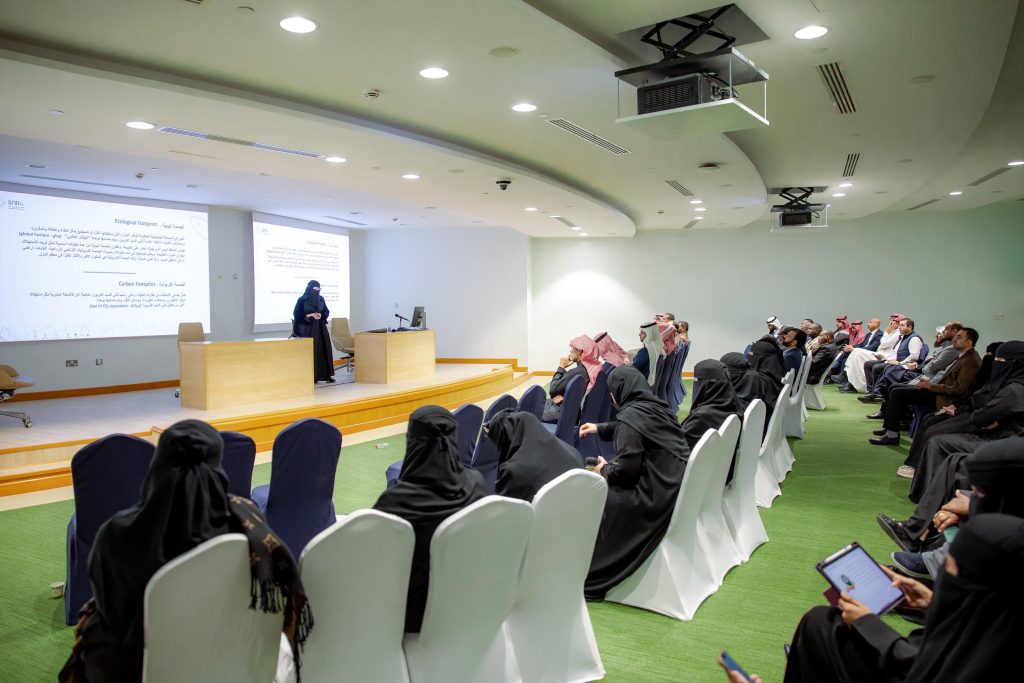
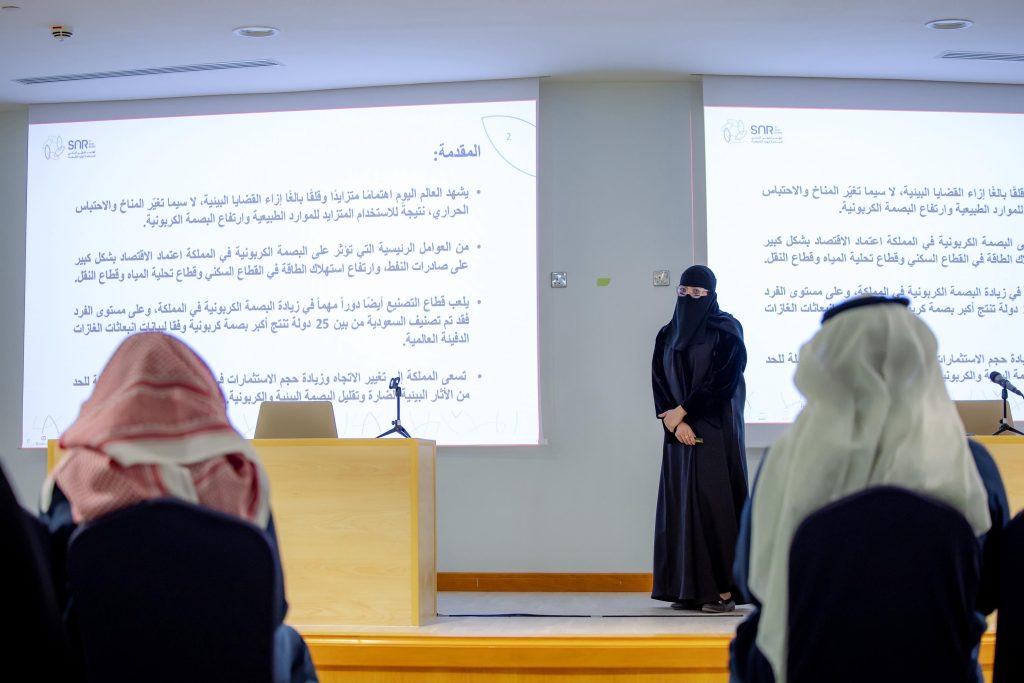
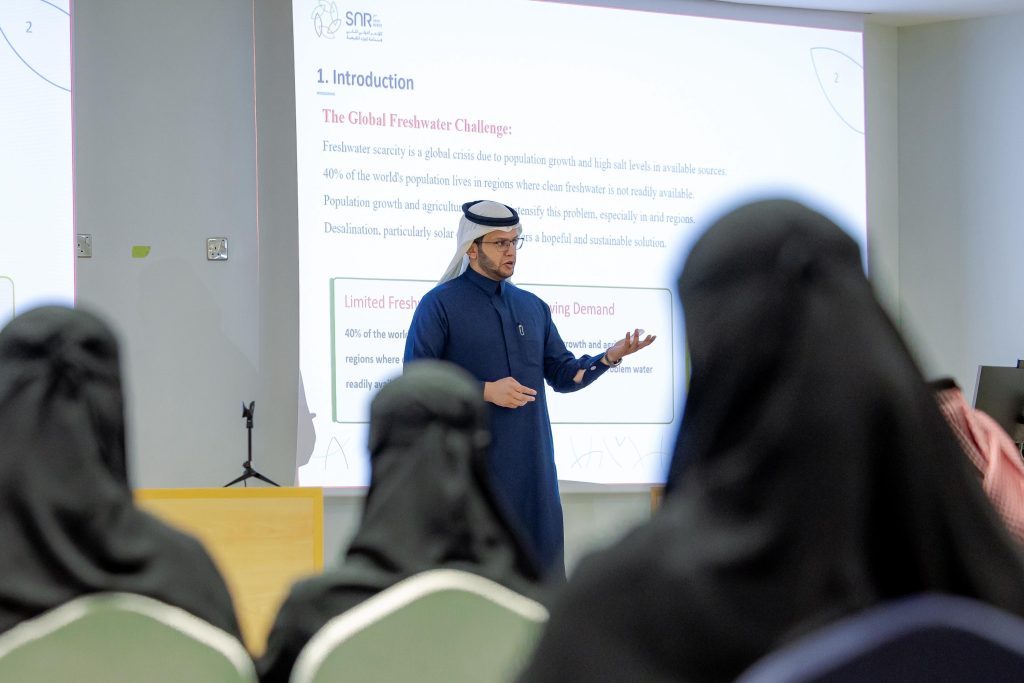
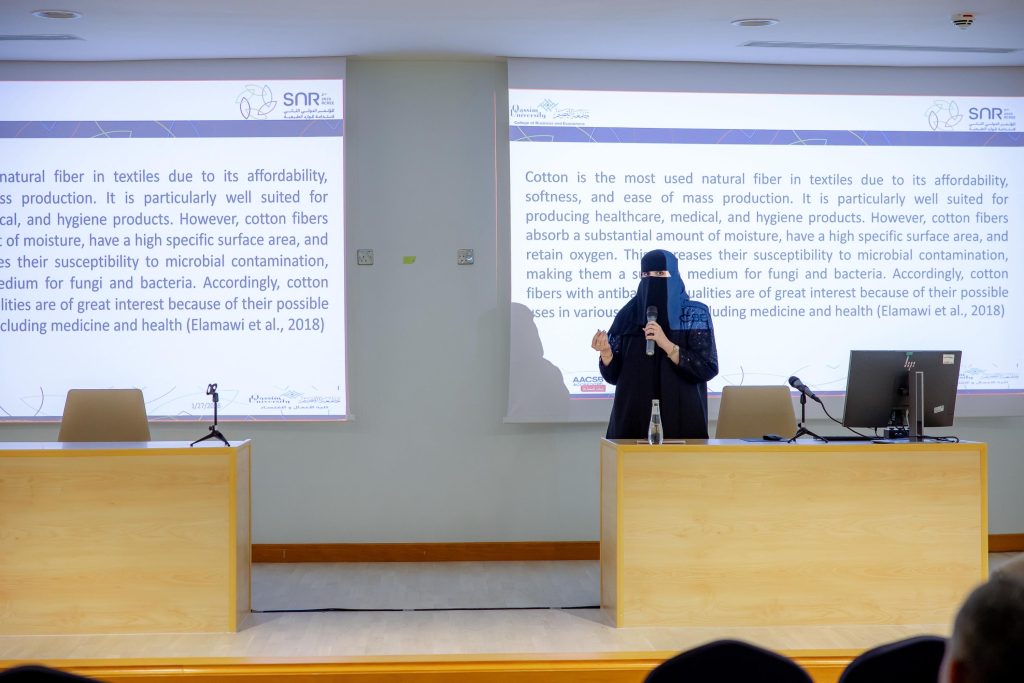
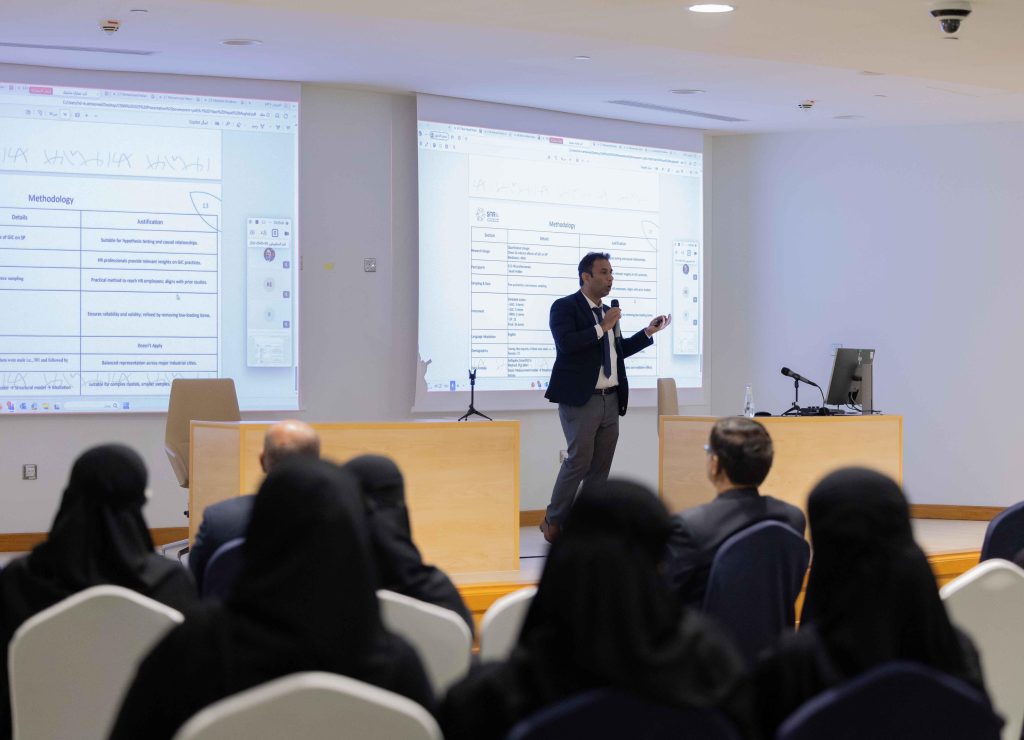
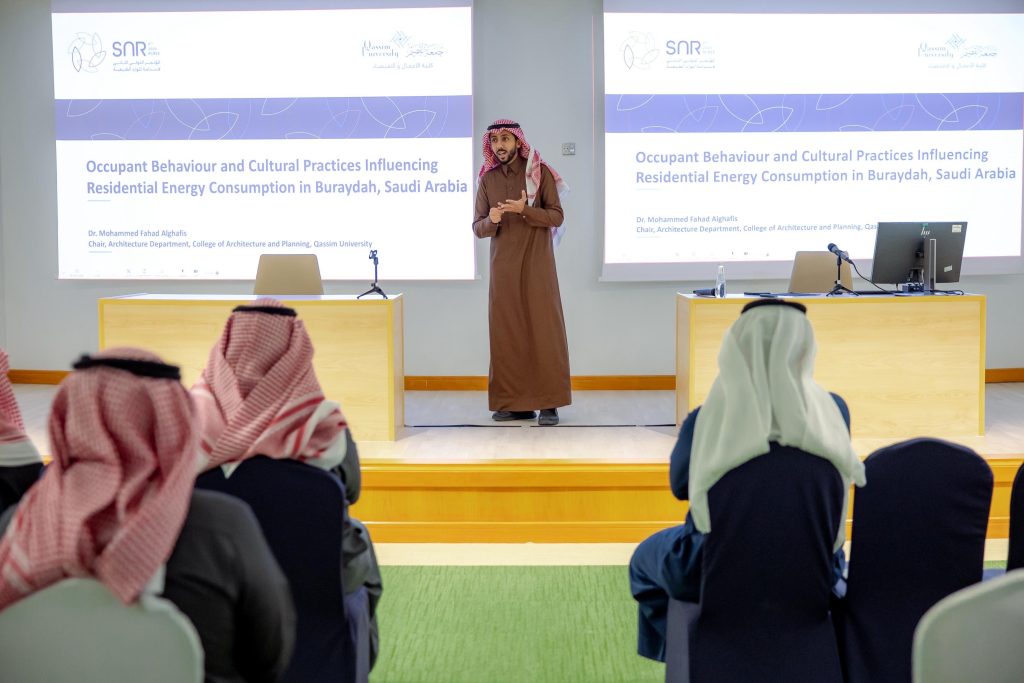
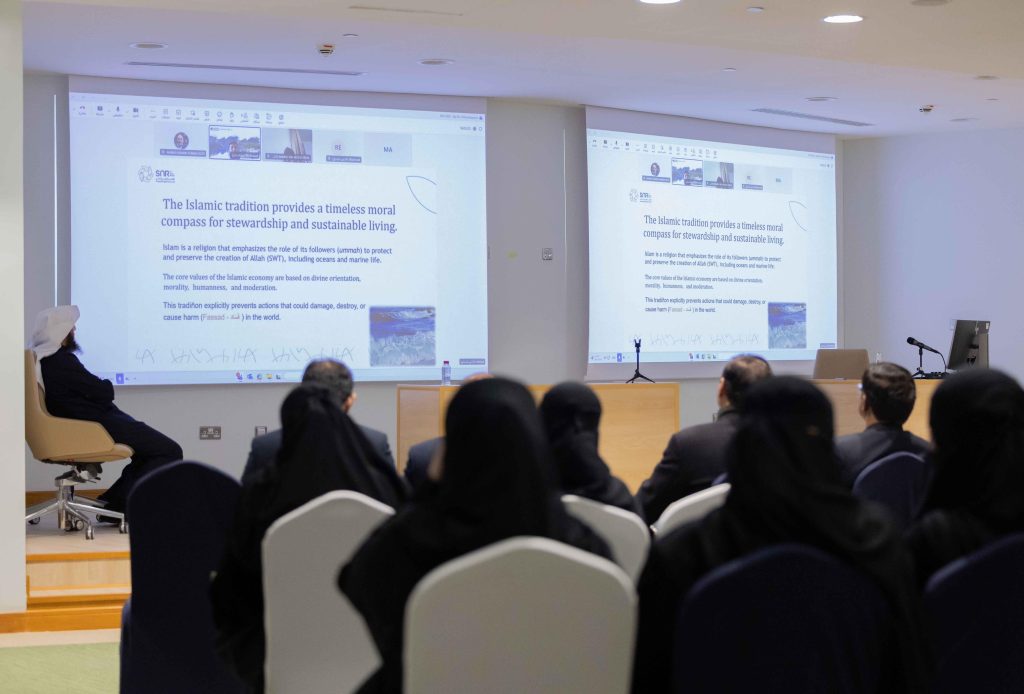
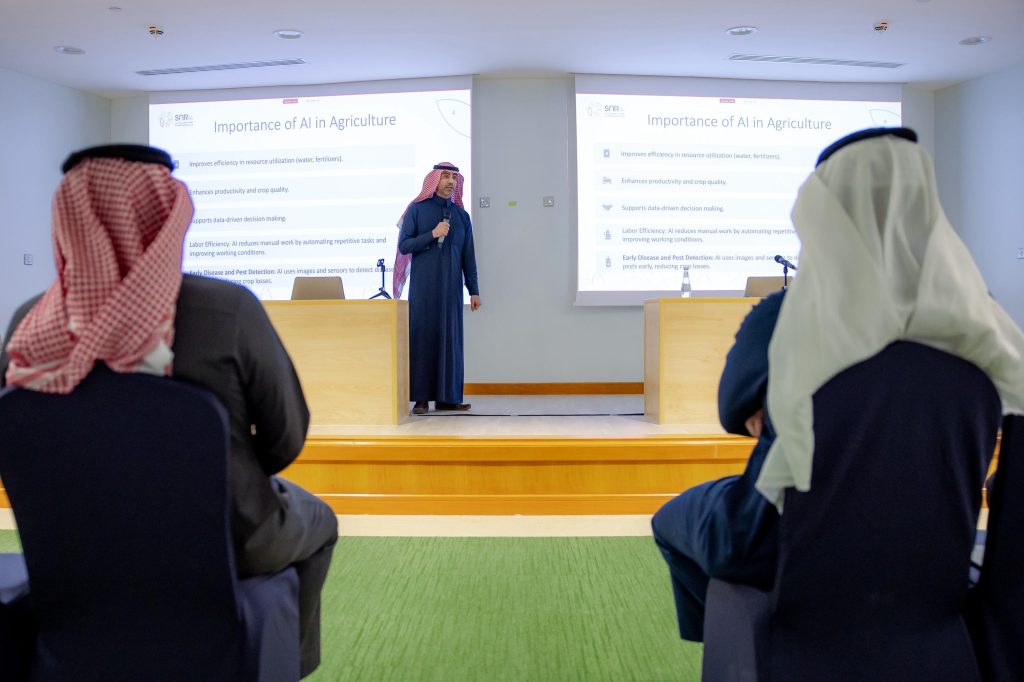
The scientific sessions of the Second International Conference on Sustainability of Natural Resources at Qassim University discussed five specialized tracks related to the concept of sustainability, addressing sustainability, circular economy, resource rationalization, innovation and technology, in addition to the ethical and health dimensions associated with rational consumption.
The first track discussed "Saudi Vision 2030 and sustainable development goals for optimal use of resources and renewable energy and enhancing spending efficiency." The session also focused on adopting artificial intelligence in palm cultivation, recycling agricultural residues as a model for enhancing resource sustainability and localizing innovative industries (palm and date residues in Saudi Arabia), and multi-objective optimization models to reduce the cost of solar desalination.
The second track was titled "Resource Sustainability and Development of Green and Circular Economy in the Framework of Competitive Advantages", to discuss research papers on integrating resource management to enhance sustainable performance within the circular economy, behavioral and cultural factors affecting energy consumption in Buraidah homes, and the role of education in stimulating innovation in clean energy technologies within the "Greening the Saudi Economy" track, followed by a scientific discussion on the outputs of the track.
In the third track, "Environmental Sustainability, Rationalizing the Use of Natural Resources, Food Development, Transportation and Tourism," topics discussed included measuring community awareness of the carbon footprint in the Eastern Province, developing a green and circular economy in Saudi Arabia through resource sustainability, the impact of the sustainable fashion industry on the environment, the biosynthesis of silver nanoparticles from some filamentous fungi and their applications in medical textiles, with a discussion session for the axis.
The fourth track focused on "Smart Consumption, Innovation, Technology and Artificial Intelligence Contributions to Resource Sustainability", through topics related to the impact of the social responsibility of Moroccan universities on student well-being, technical and economic evaluations of the application of "zero effluent discharge" to support the industrial circular economy, and the adoption of digital twins in healthcare through the planned behavior model (TPB) within Society 5.0 by modeling structural equations to achieve the third Sustainable Development Goal (SDG3).
The scientific sessions concluded with the fifth track entitled "Rational Consumption from a Legal and Ethical Perspective on the Environment, Good Health and Wellbeing", where papers were presented on the impact of ESG and its relation to SDG14 on countries, including Islamic countries, in the context of managing seas and oceans, the role of "green intellectual capital" in sustainable performance with a mediating role for "contemplative ethical attention", and deep learning applications in the sustainability of e-health services by predicting patient absenteeism. "Green Intellectual Capital" in sustainable performance with a mediating role of "reflective ethical attention", deep learning applications in the sustainability of e-health services by predicting patient absenteeism, and in the concluding session, recommendations, proposed policies, and a future roadmap were presented.
